Continuation of the first part of the travelogue, where my wife and I visited the Basque Country, Altamira, and Picos de Europa National Park.
León and Unusual Sculptures
From northern Spain, we then drove inland to León, the capital of the province of Castile and León. We had booked accommodation at Hotel Camino, which presents itself as a hotel with official Compostela accreditation and offers pilgrims special perks (sauna, discounts, no smoking in hotel rooms or a €100 fine for smoking inside, Camino tips, special mattresses for better sleep, etc.).
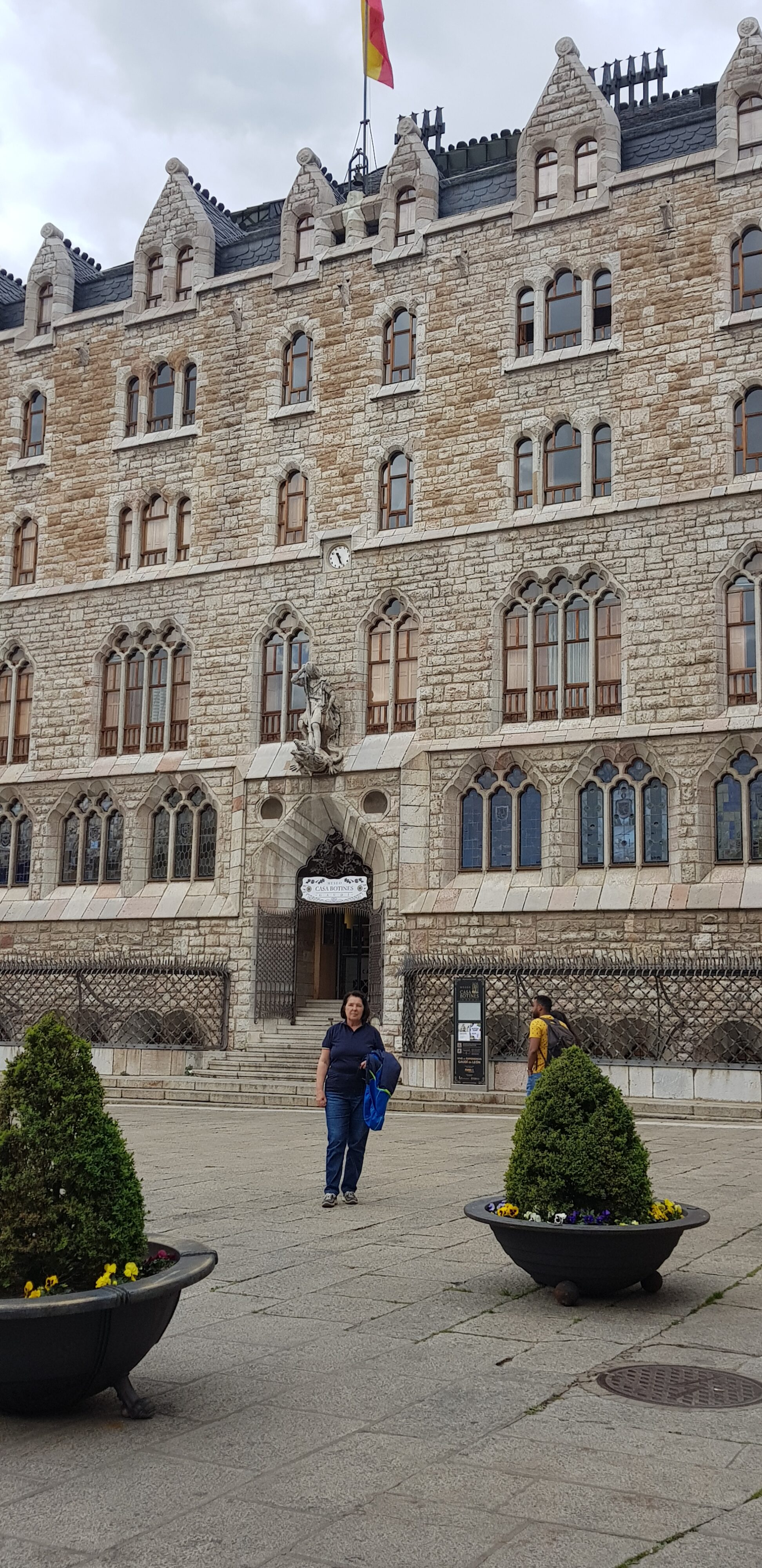
Worth visiting in León are: Santa María de Regla de León Cathedral, the Basilica of San Isidoro, Parador San Marcos, Casa Botines, and Palacio de los Guzmanes.


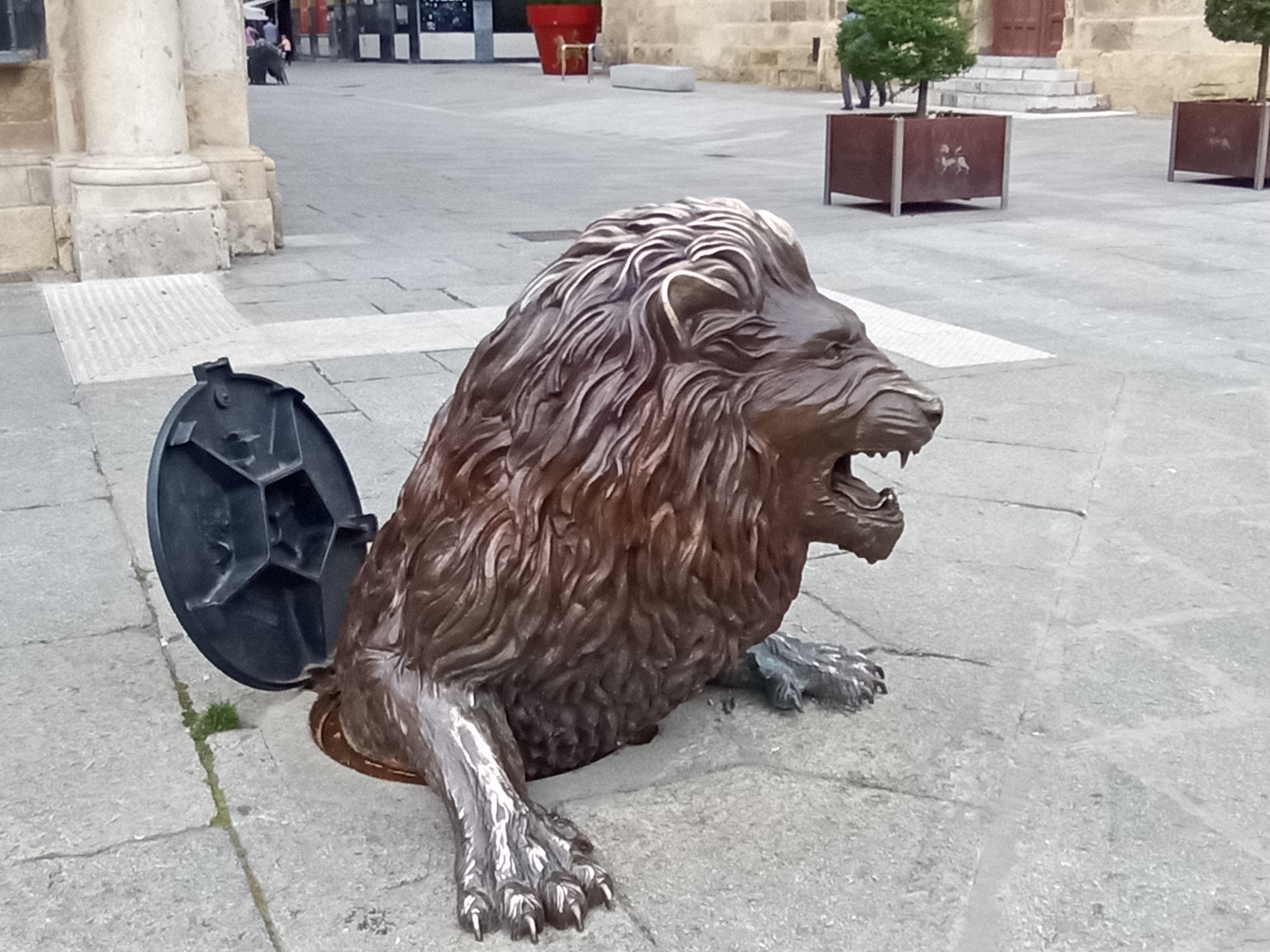

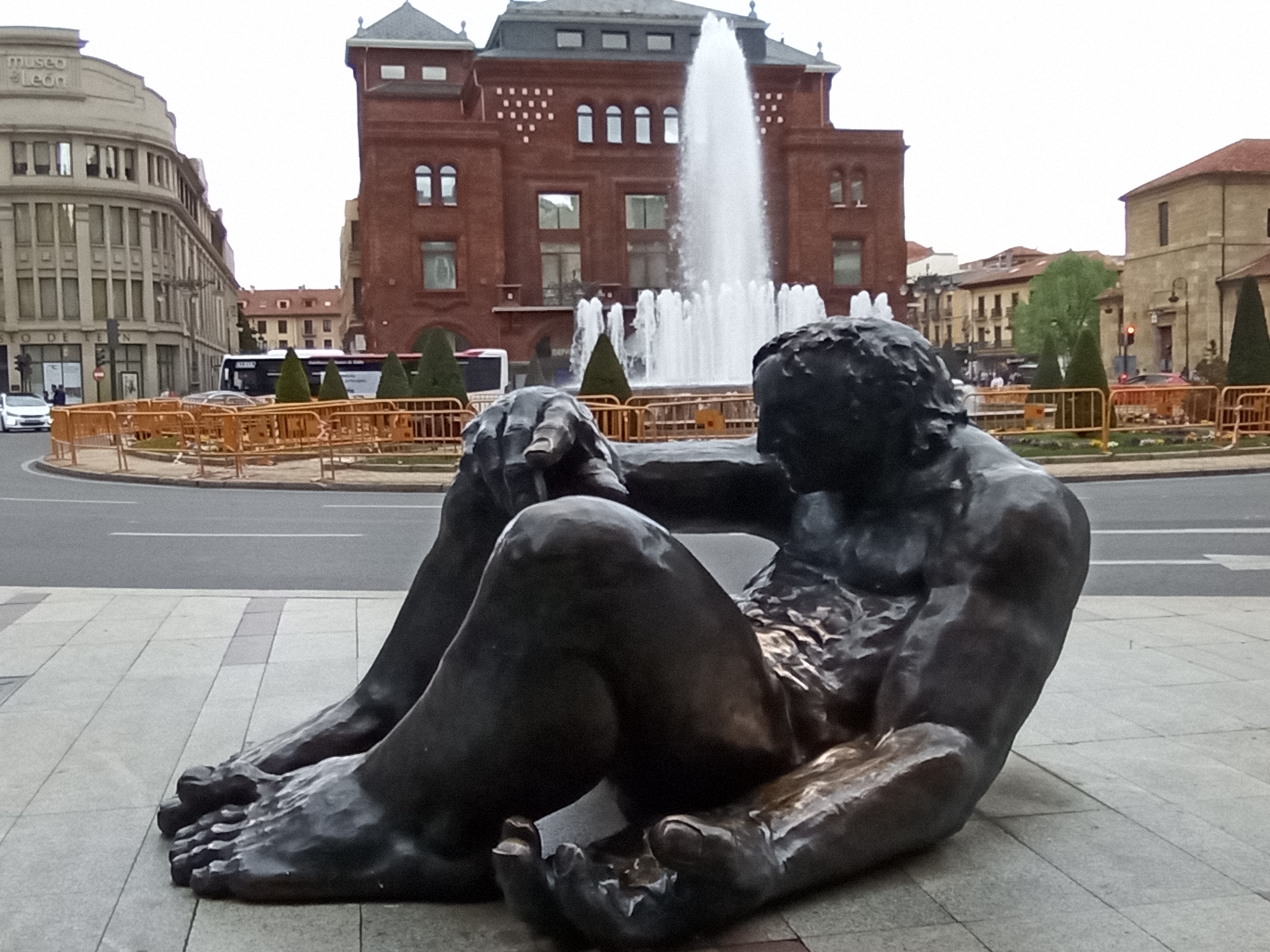
The Gothic-style cathedral is a UNESCO World Heritage site and was built over a 50-year period in the second half of the 13th century and completed in the 15th century. Some of the newer sculptures are quite unusual as well.
The next town was Astorga, a town steeped in history where the Roman Silver Route (Vía de la Plata) and the Camino de Santiago cross. In the Middle Ages, Astorga was one of the most important towns on the pilgrimage route and remains a popular starting point for the Camino today.
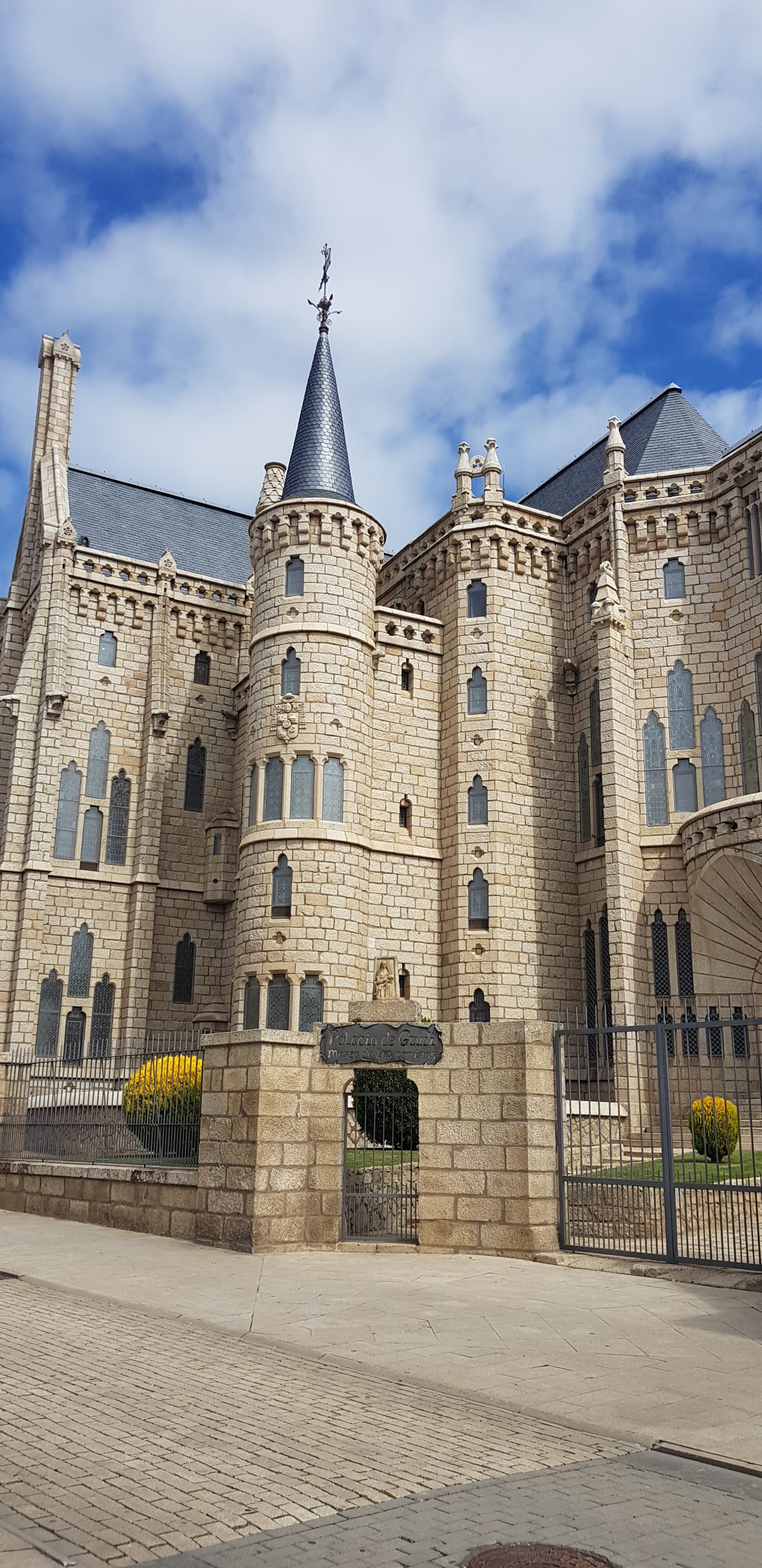
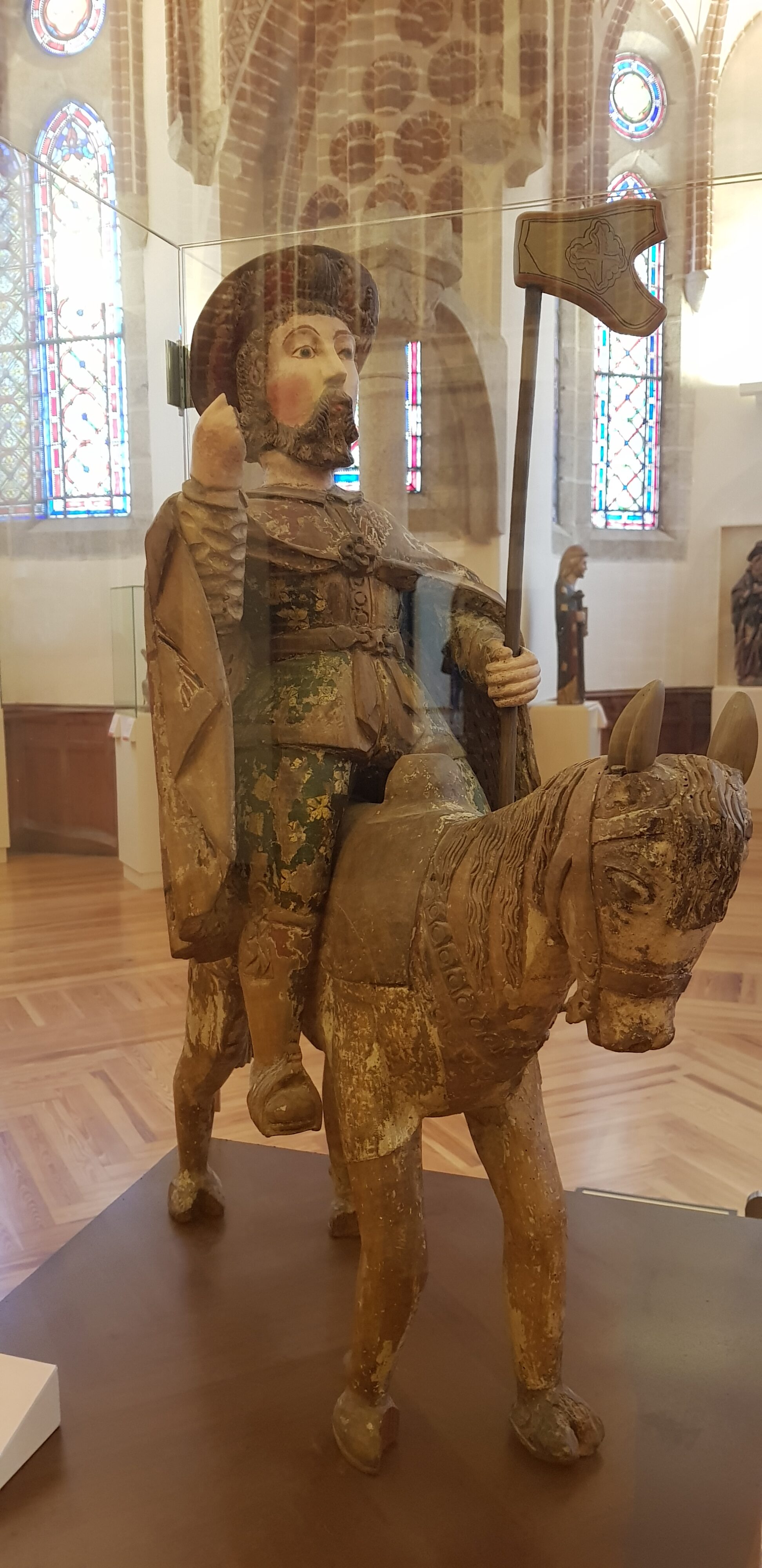
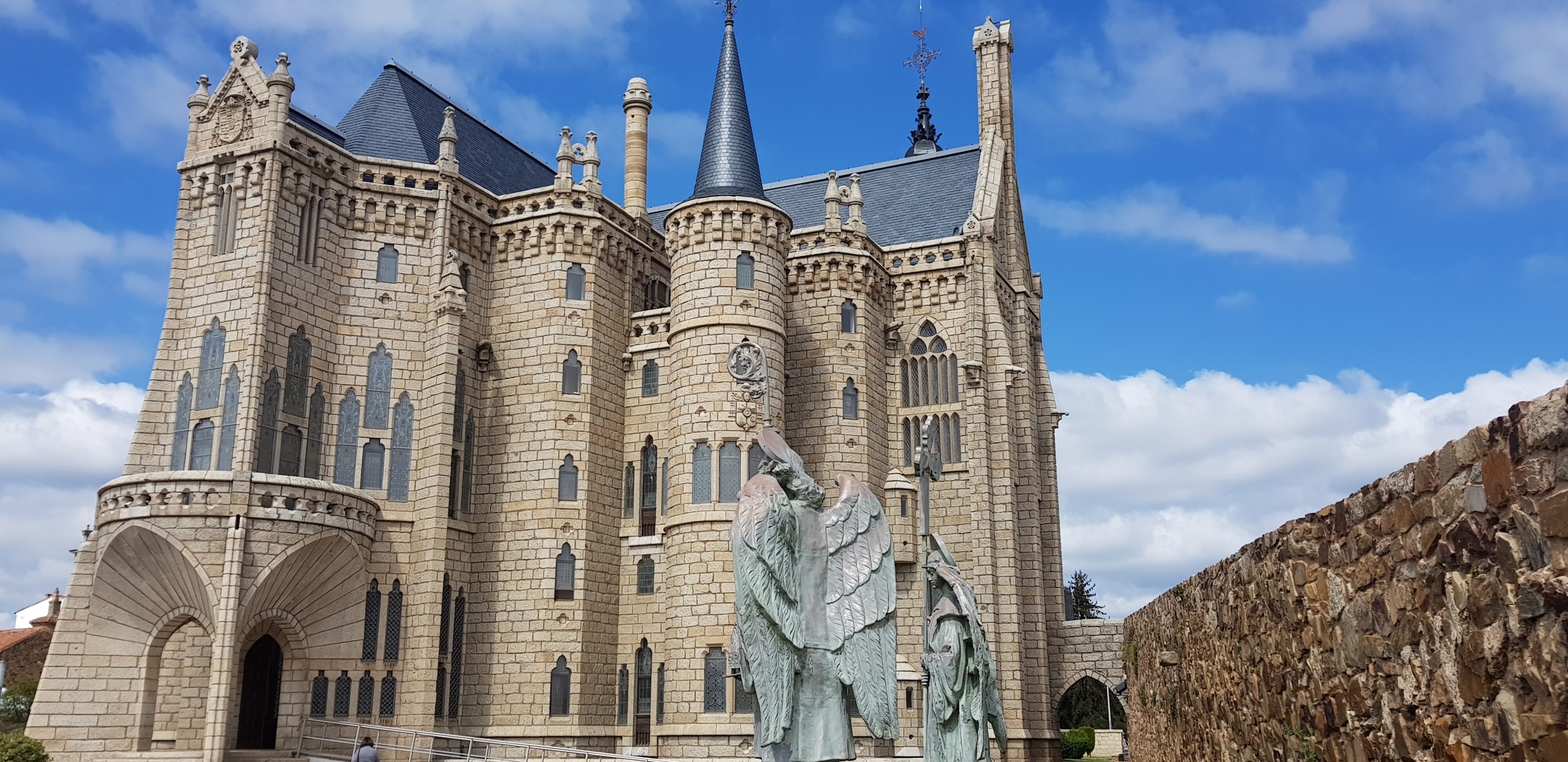
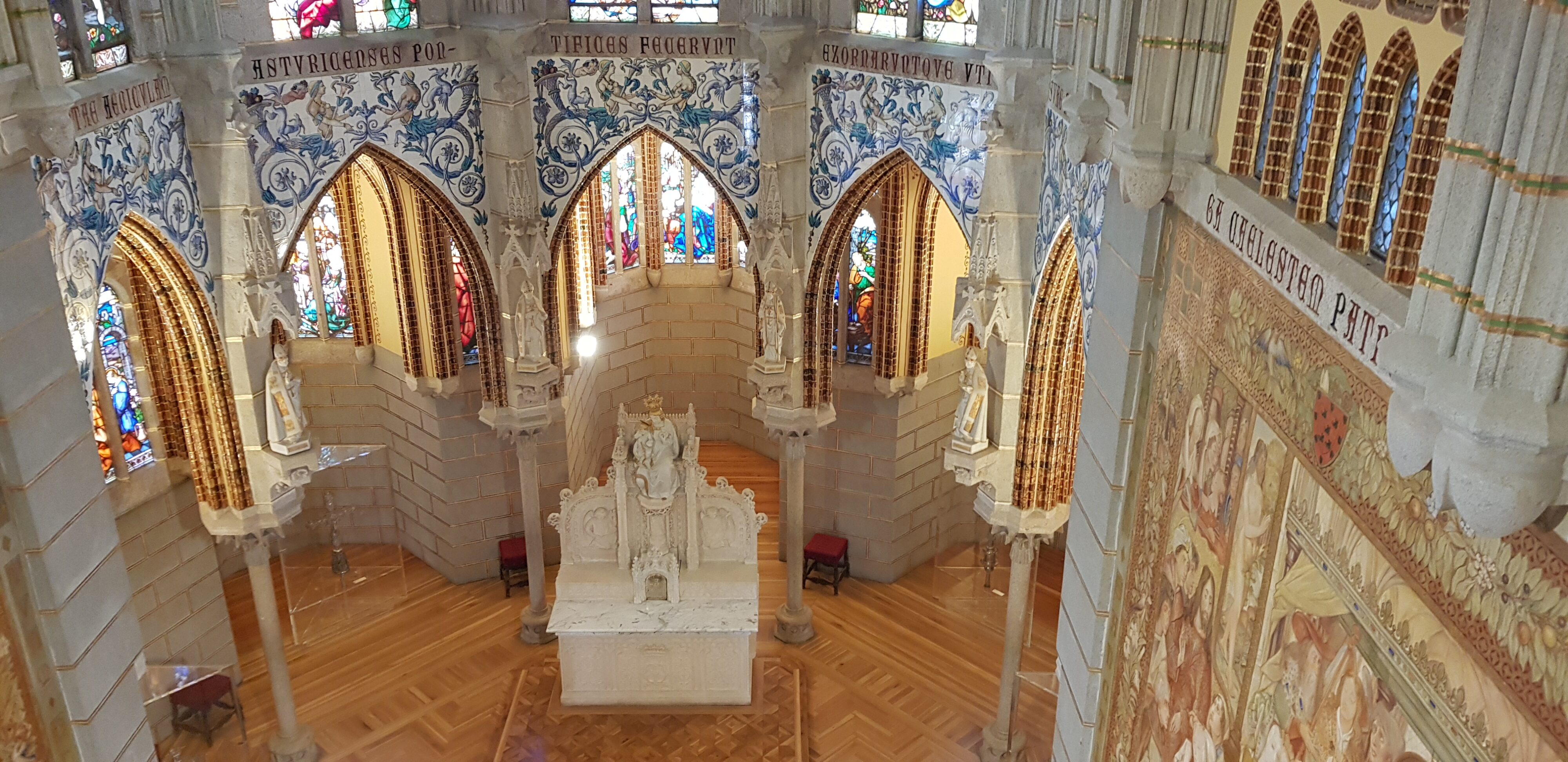
Astorga and Gaudí
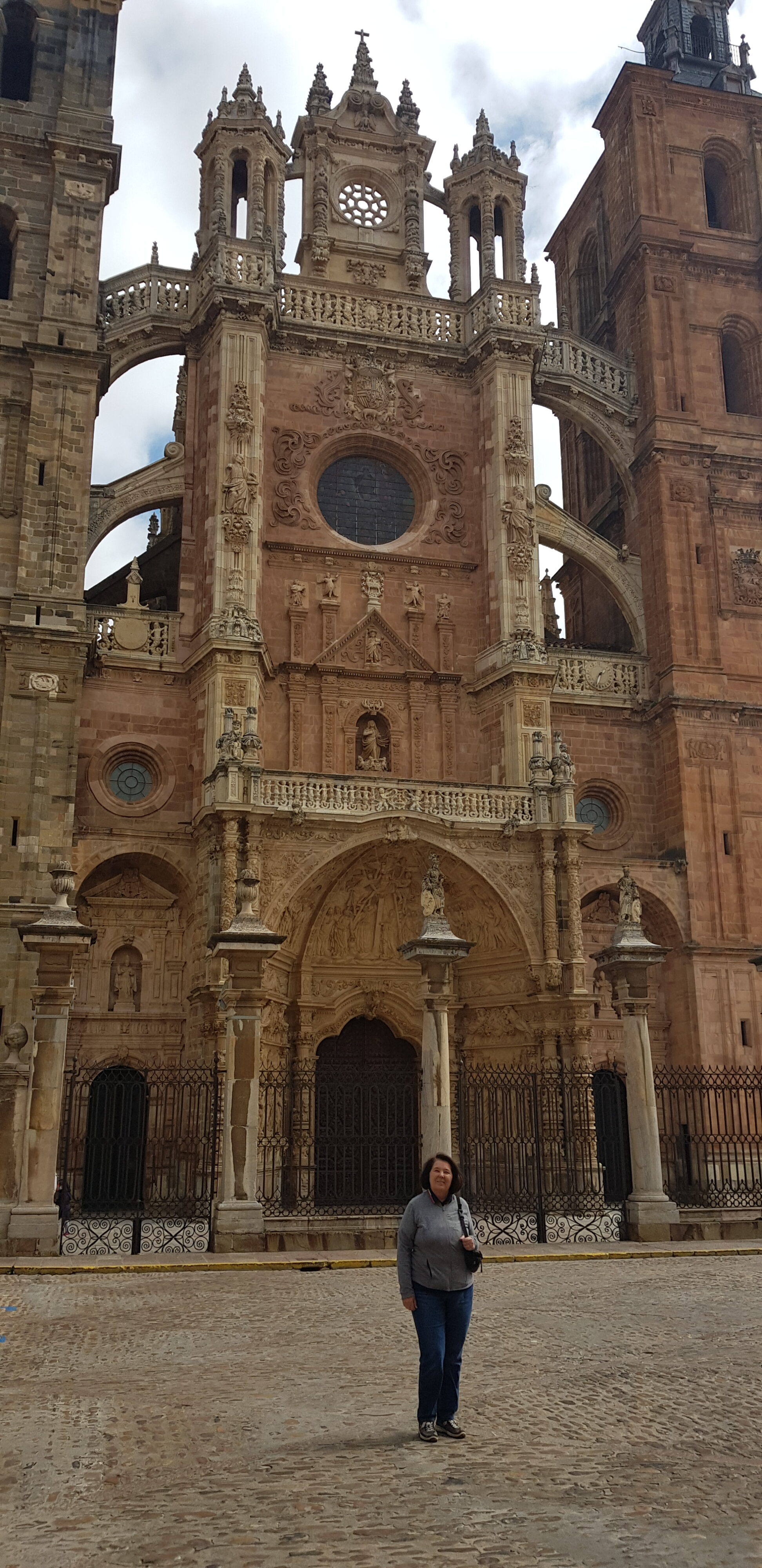
Worth seeing in Astorga are: Santa María Cathedral, the Town Hall, the Episcopal Palace (now Palacio de Gaudí), the Roman wall, and the sanctuary of Our Lady of Fátima.

Ponferrada and the Iron Bridge
The name comes from Latin: Pons Ferrata, Iron Bridge. It is a town in northwestern Spain and a major stop on the French Way to Santiago de Compostela. The town is best known for its Templar castle (Los Templarios). It has a moat and a drawbridge, and houses the Knights Templar library. The El Bierzo Museum traces local history with exhibits including Paleolithic and medieval artifacts. The Basílica de Nuestra Señora de la Encina is a Renaissance church with a 17th-century bell tower.
Castillo de los Templarios (all about the Knights Templar, free admission on Wednesdays, discounts for pilgrims with a credential).
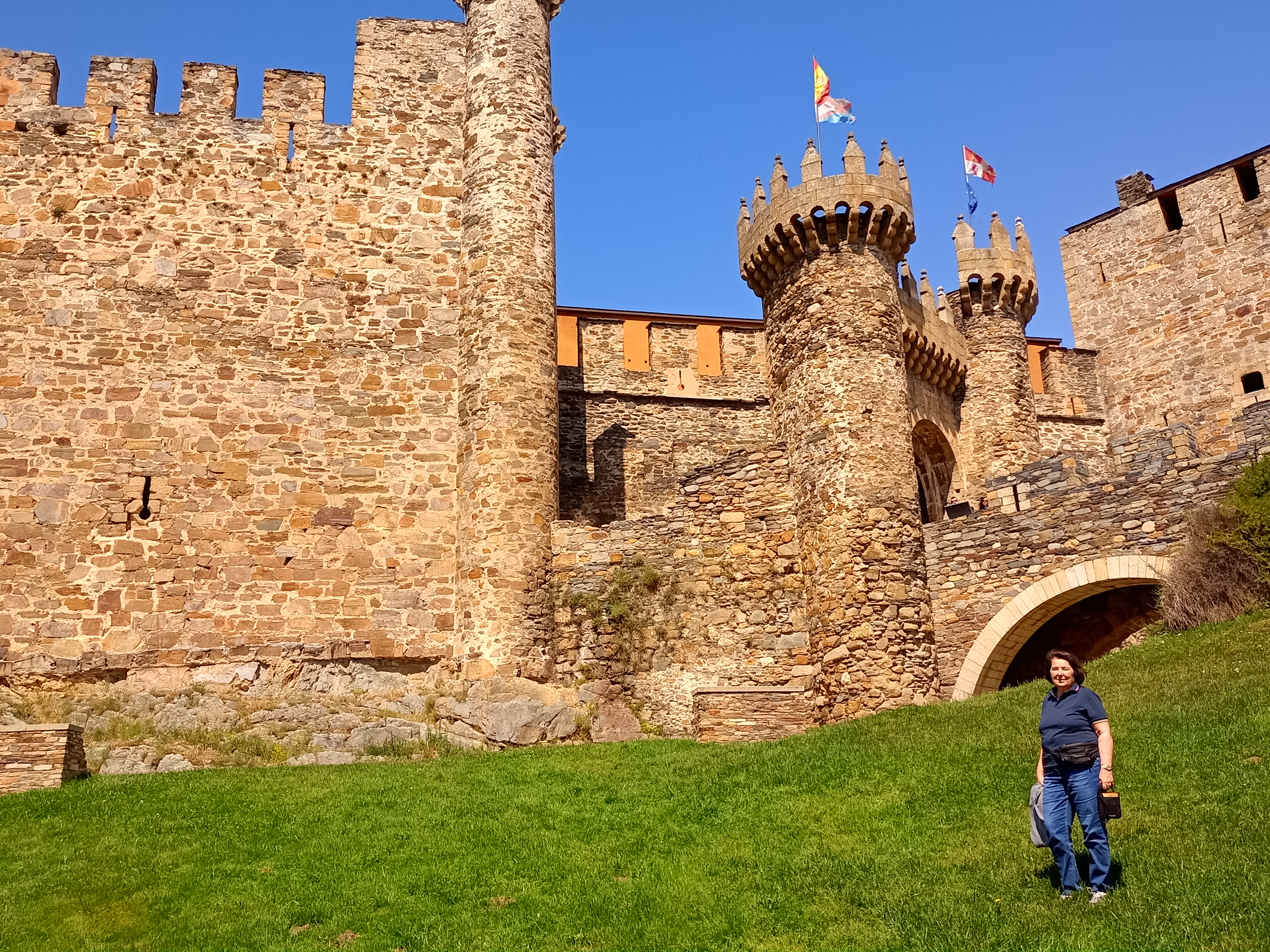
The town has many museums—Museo de la Radio, Museo del Ferrocarril, Museo de El Bierzo, Museo de la Energía—which, like the castle, are closed on Sunday afternoons. So we walked around the castle to a nearby restaurant. It is worth checking opening hours before visiting, especially on weekends and in the afternoon during siesta.
The next morning we went our separate ways: I cycled toward O Cebreiro, while my wife drove toward Lugo.
Lugo
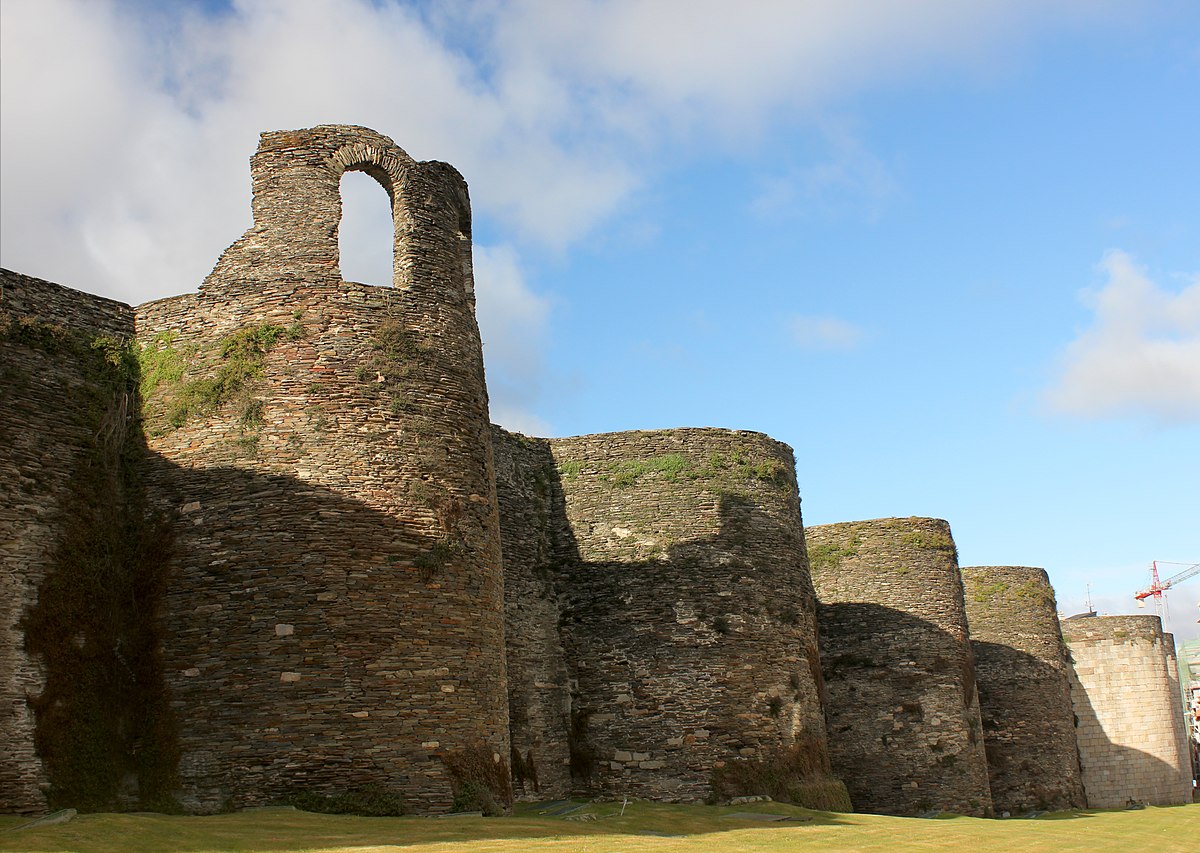
The city is famous for the best-preserved Roman walls in Spain. Two thousand years ago, the Romans built a settlement surrounded by imposing walls that survive today and encircle the historic center. The massive wall is 2 km long, 12 m high, 4 to 7 m wide, and has 71 towers. Visitors can walk along the entire wall around the old town.
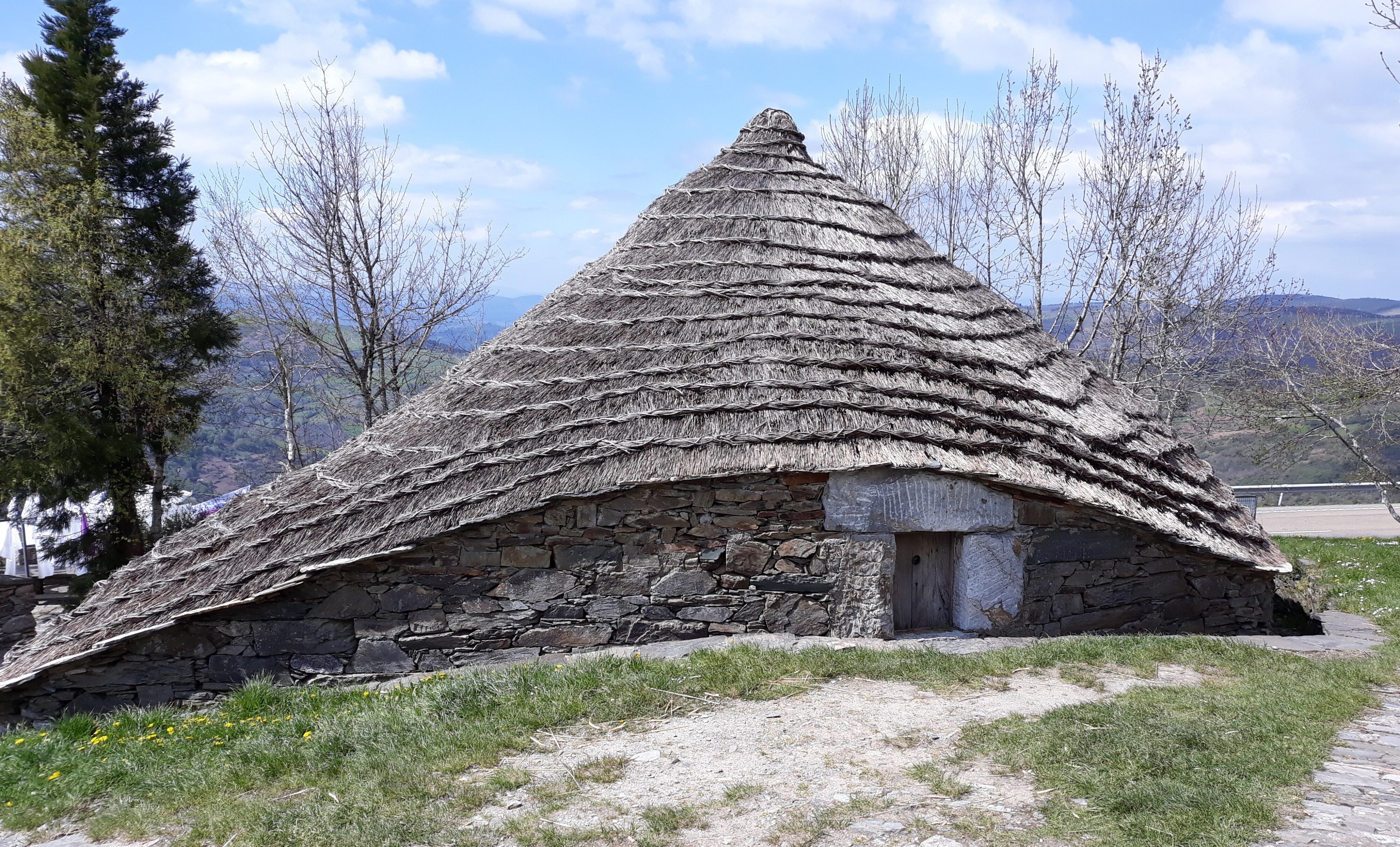
In O Cebreiro, the famous village that is one of the main stops on the Camino Francés, we met back up and refueled with a traditional meal and the customary “vino tinto” on the house.
Santiago de Compostela, Final Destination of Pilgrims
Santiago de Compostela is the capital of the Galicia region in northwestern Spain. It is famous as the culmination of the Camino de Santiago pilgrimage route and the supposed burial place of the biblical apostle Saint James. His remains lie in the Cathedral of Santiago de Compostela, consecrated in 1211. Its intricately carved stone facade opens onto Praza do Obradoiro and Raxoi Palace within the medieval walls of the old city. This renowned pilgrimage city in northwestern Spain became a symbol in the struggle of Spanish Christians against Islam.

Santiago de Compostela is the endpoint of a vast network of ancient pilgrimage routes stretching across Europe and ending at the tomb of Saint James in Santiago de Compostela. At the end of the 10th century, the city was destroyed by Muslims and completely rebuilt in the following century.
The main entrance to the square in front of the cathedral is through a passage called Arco de Palacio (Palace Arch). There, a band or musician playing Celtic music often performs. The music creates just the right atmosphere for the final steps to the grand square in front of Santiago de Compostela Cathedral!

The most popular pilgrimage route ending in Santiago de Compostela is Camino Francés. It stretches 780 km from Saint-Jean-Pied-de-Port near Biarritz in France to Santiago. In Roman times, a peregrino (pilgrim) meant someone traveling through foreign land, while in the Middle Ages it meant someone traveling to or from Santiago.
History of the Camino de Santiago Francés
The Camino Francés originated during what we know as the Early Middle Ages—more precisely, between the 9th and 10th centuries. It began with the discovery of the tomb of Christ’s apostle James, whose disciples are said to have brought him by sea from Jerusalem to the Galician coast after his death and then by cart to the place where his remains were found.
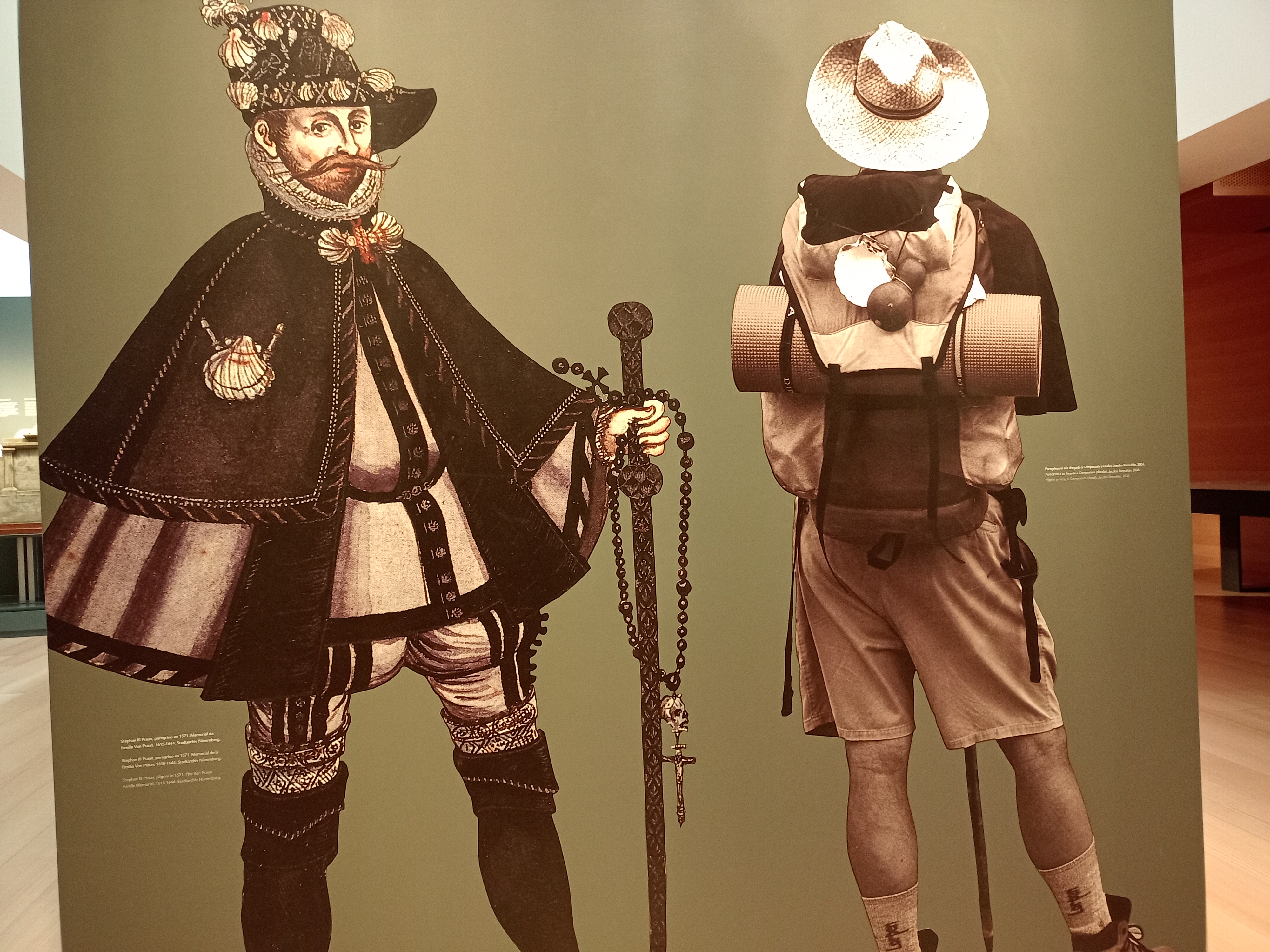
The Pilgrim Museum (Museo de las Peregrinaciones) presents pilgrimage to Santiago through history and in comparison with today. In the early period, many pilgrims never reached their destination, as some grew exhausted or fell ill.
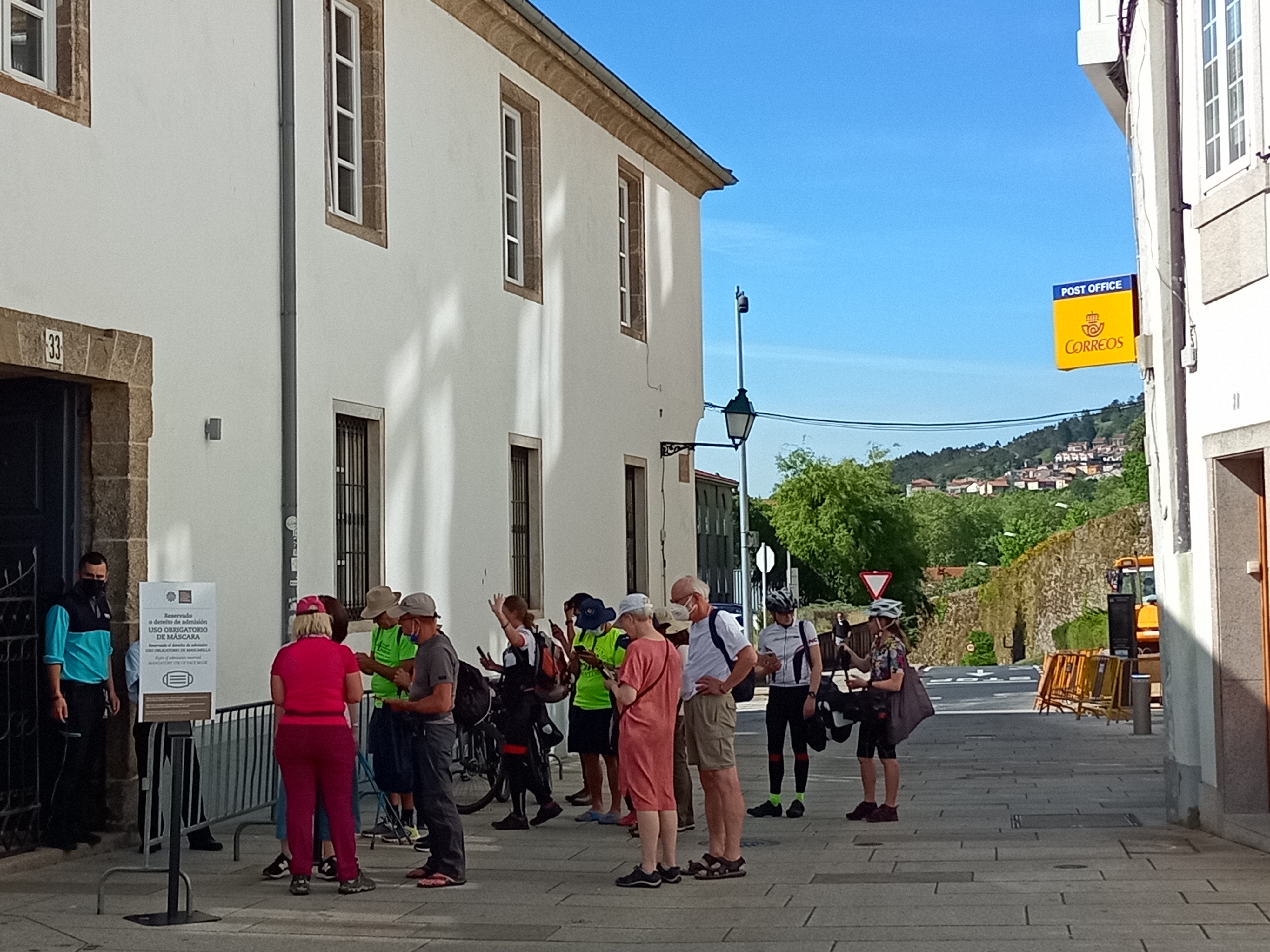
In front of the Pilgrim Office (Oficina del Peregrino), a line of people waiting for their certificate forms in the afternoon.
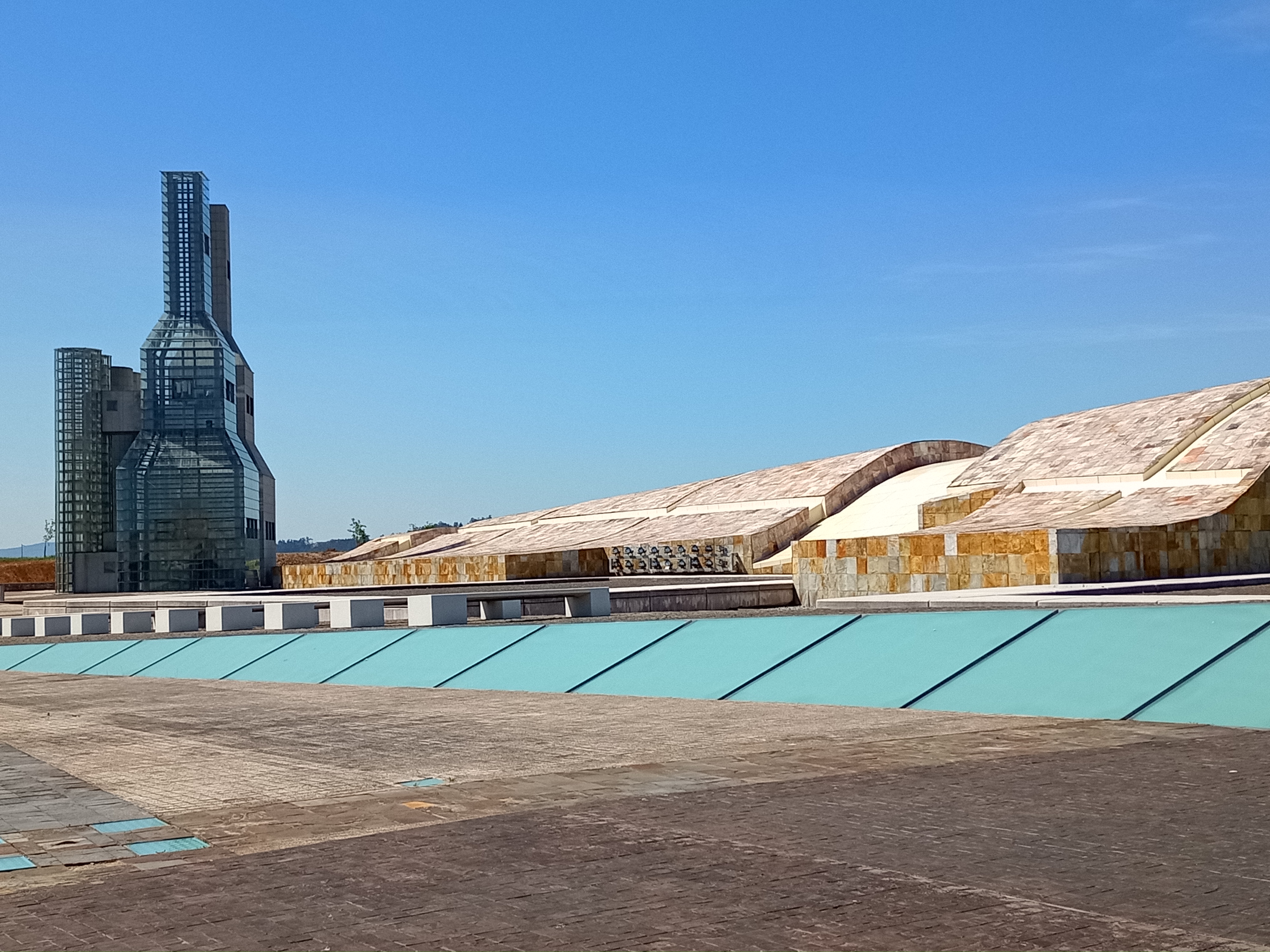
Galician Center for Contemporary Art (CGAC) is a unique museum with terraces offering some of the best views over the historic quarters of Santiago de Compostela,
We stayed in an apartment block neighborhood in the Cansellos district. From there, it’s a pleasant walk (past a mini park with playgrounds) to the historic center of Santiago.
What Else Is Worth Visiting in Santiago
- Museum of the Galician People, located in the former convent of Santo Domingo de Bonaval, was founded in 1977,
- Casa do Cabildo, with its lovely Baroque facade near the museum, was built mainly to embellish Praza das Praterías in Santiago,
- Pazo de San Lorenzo de Trasouto, where a medieval monastery in Santiago was converted into a residential manor,
- Santiago de Compostela Cathedral,
- Raxoi Palace, standing across from the cathedral on Praza do Obradoiro, dating from 1766,
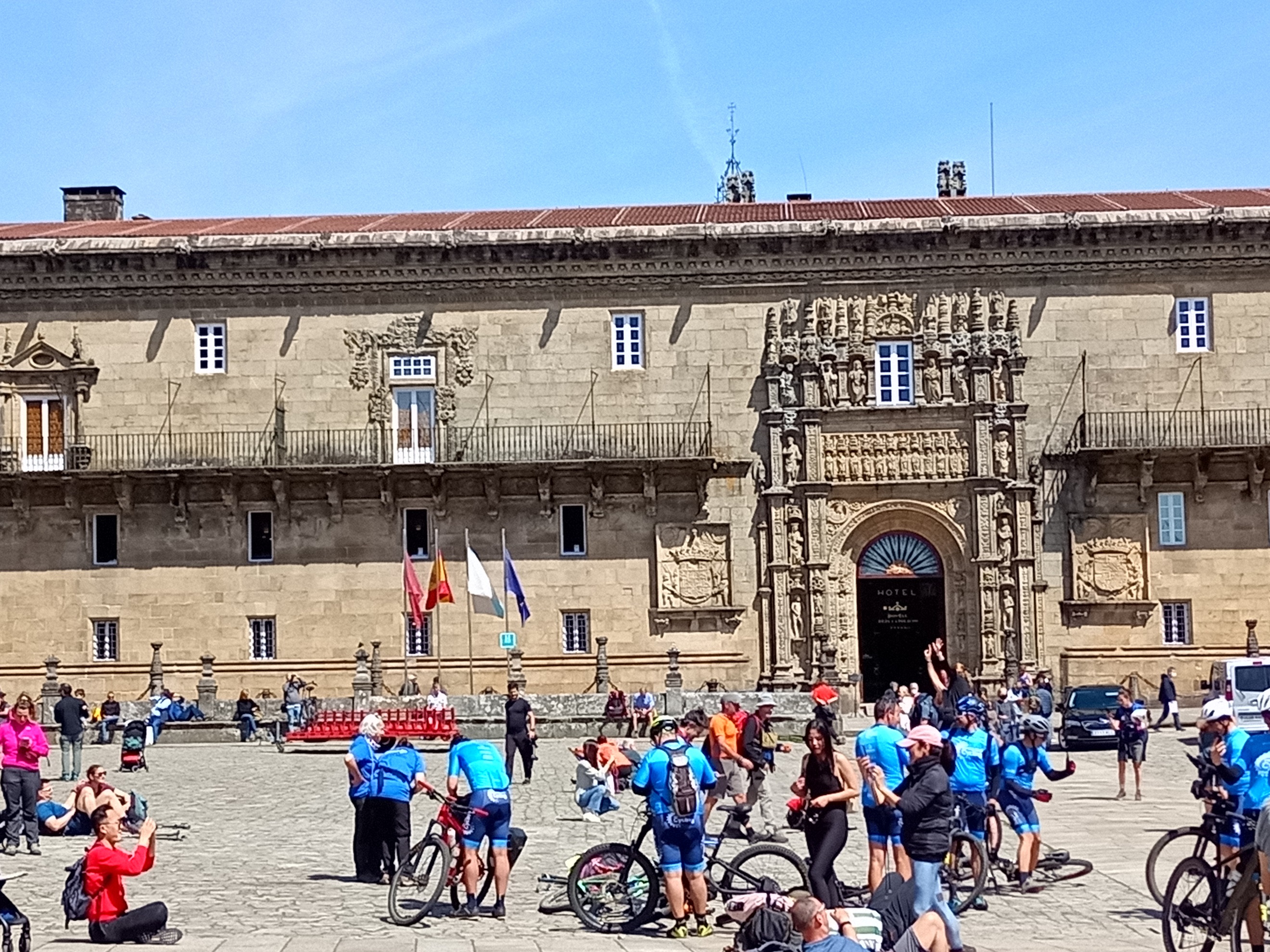
- Hostal de los Reyes Católicos from 1499, originally built to house pilgrims.
At the End of the World
For the finish, we planned to explore the “Costa da Morte” and interesting coastal spots: Carnota with the longest hórreo (granary) and long sandy beaches, Finisterre (Fisterra in Galician—the westernmost part of Spain), and A Coruña with the oldest operating lighthouse.
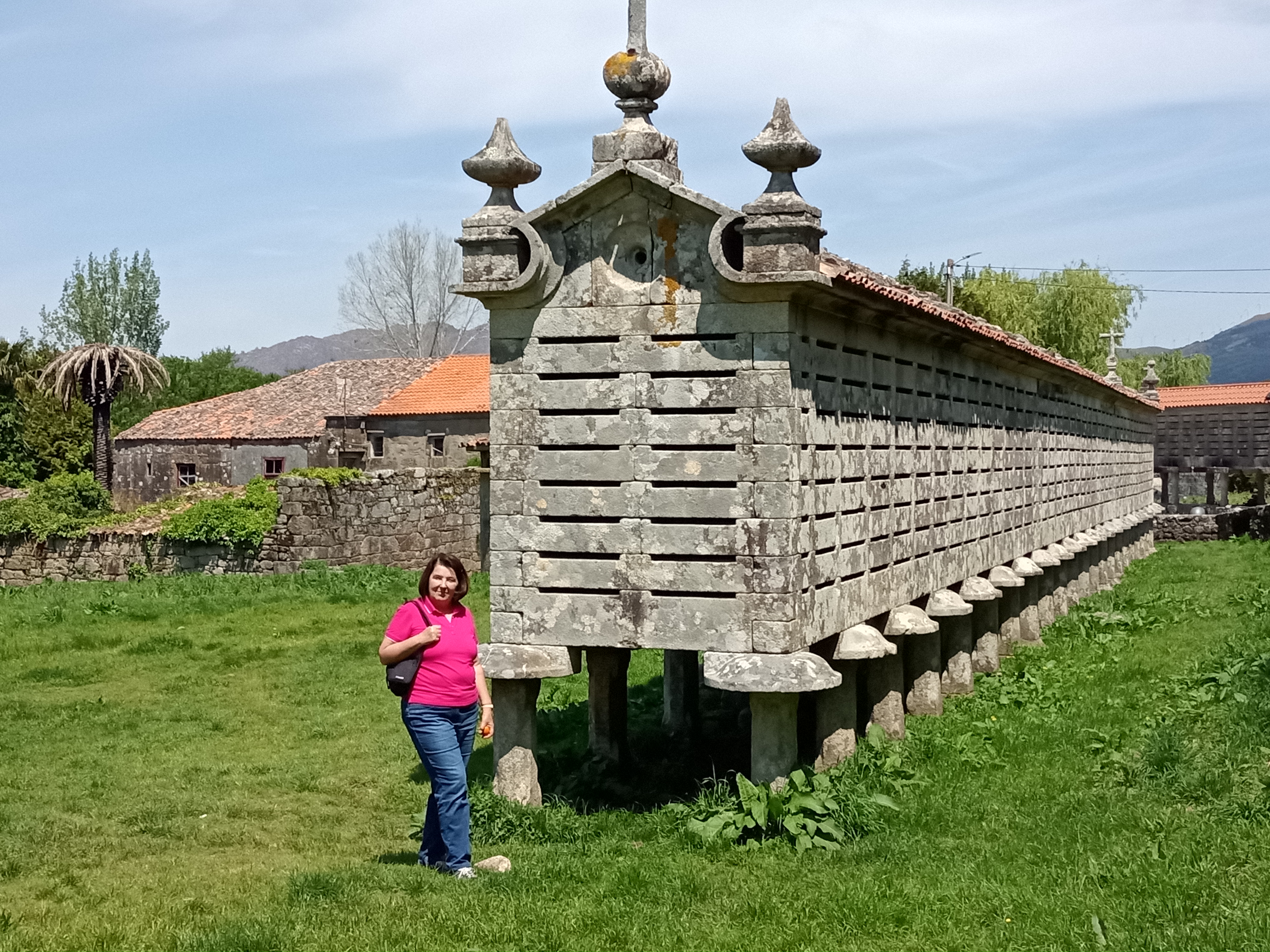
The granary (hórreo) was built between 1760 and 1763 in two phases as a rivalry with the parish of Lira. Both are the largest in all of Galicia and share architectural traits seen in Fisterra.

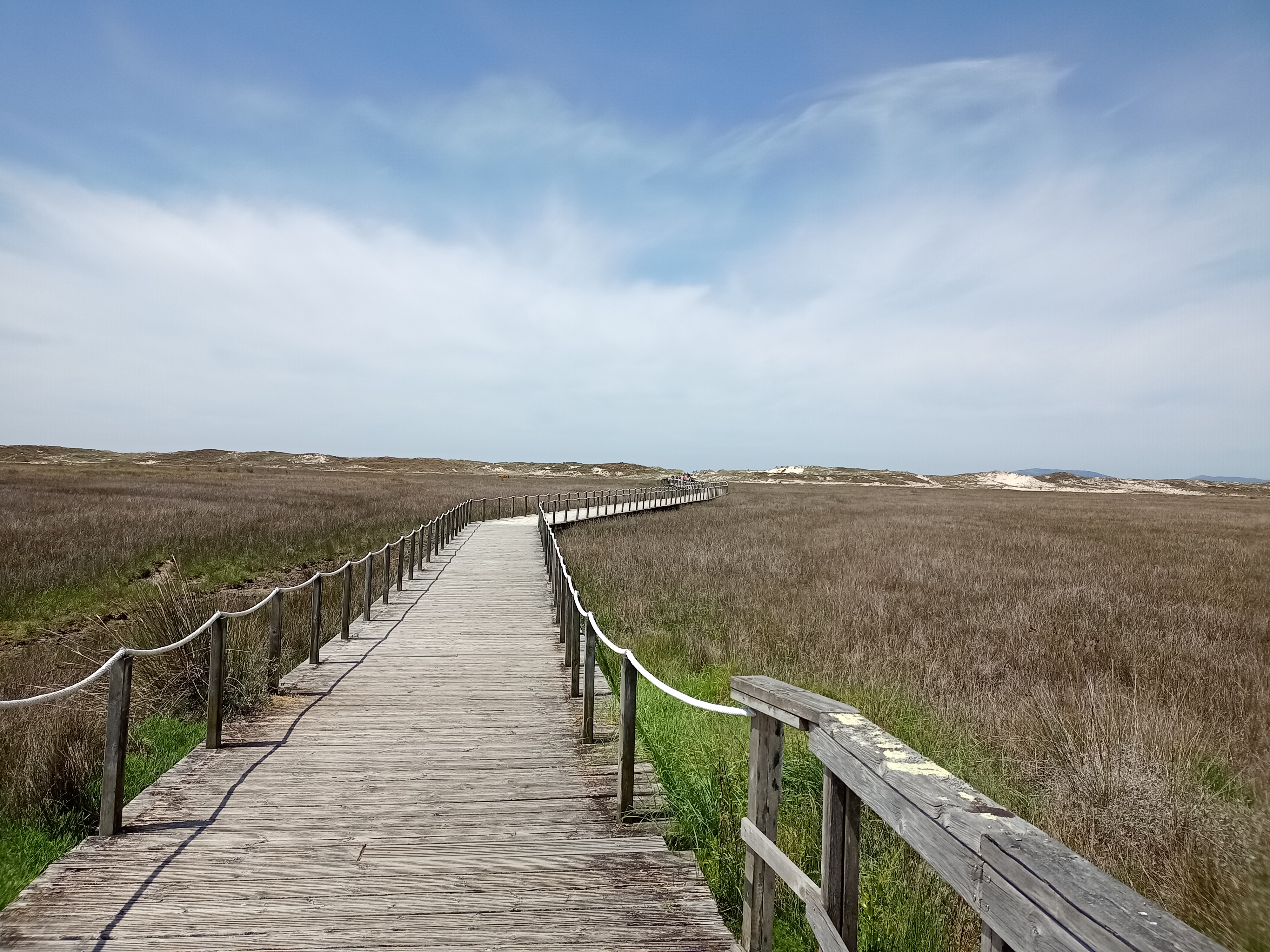
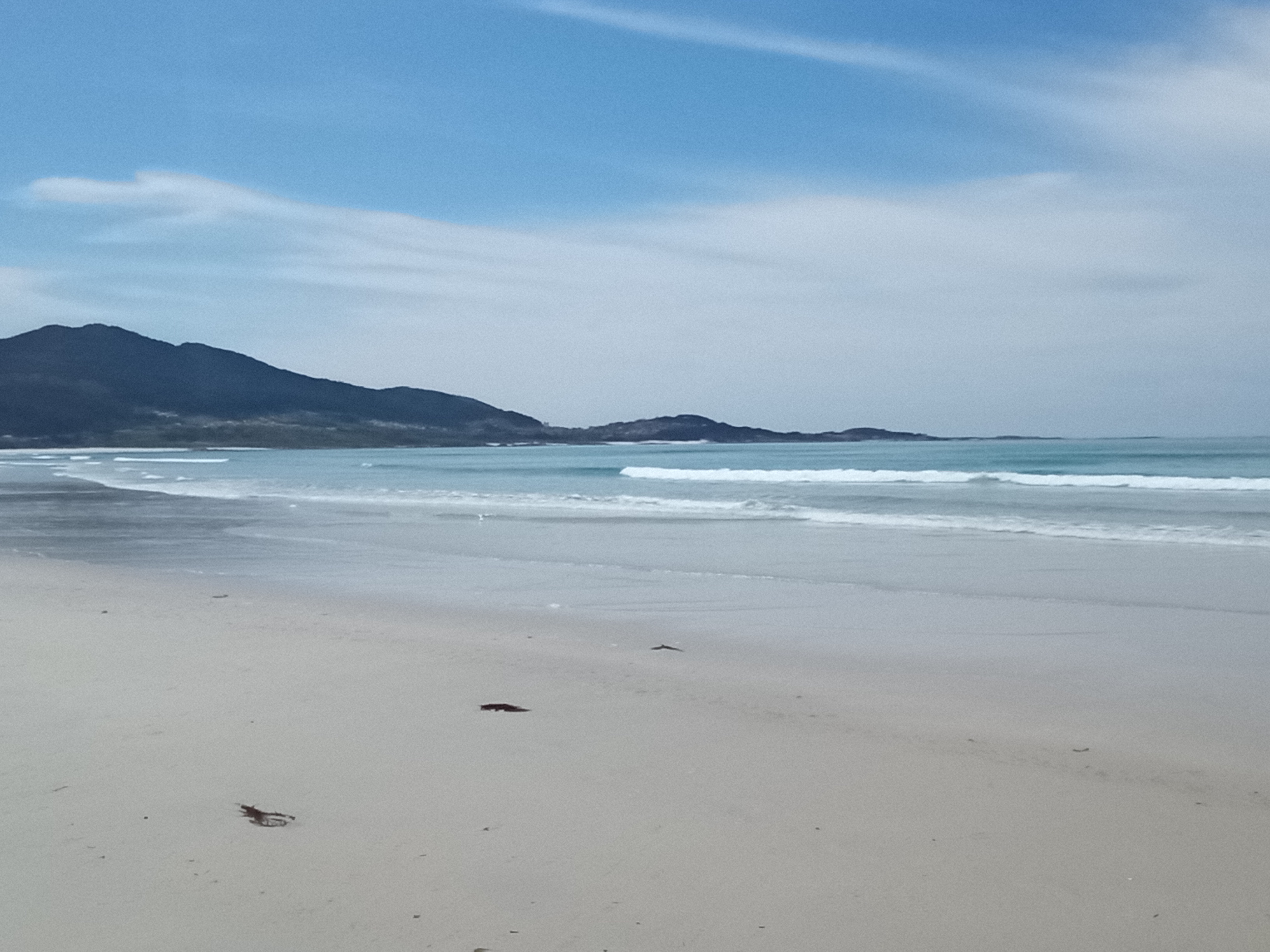
Continuing from the granary toward the sea, we reach Playa de Carnota. Stretching over 7 kilometers, this sandy beach is the longest in Galicia. At low tide, it is more than 500 meters wide in places.
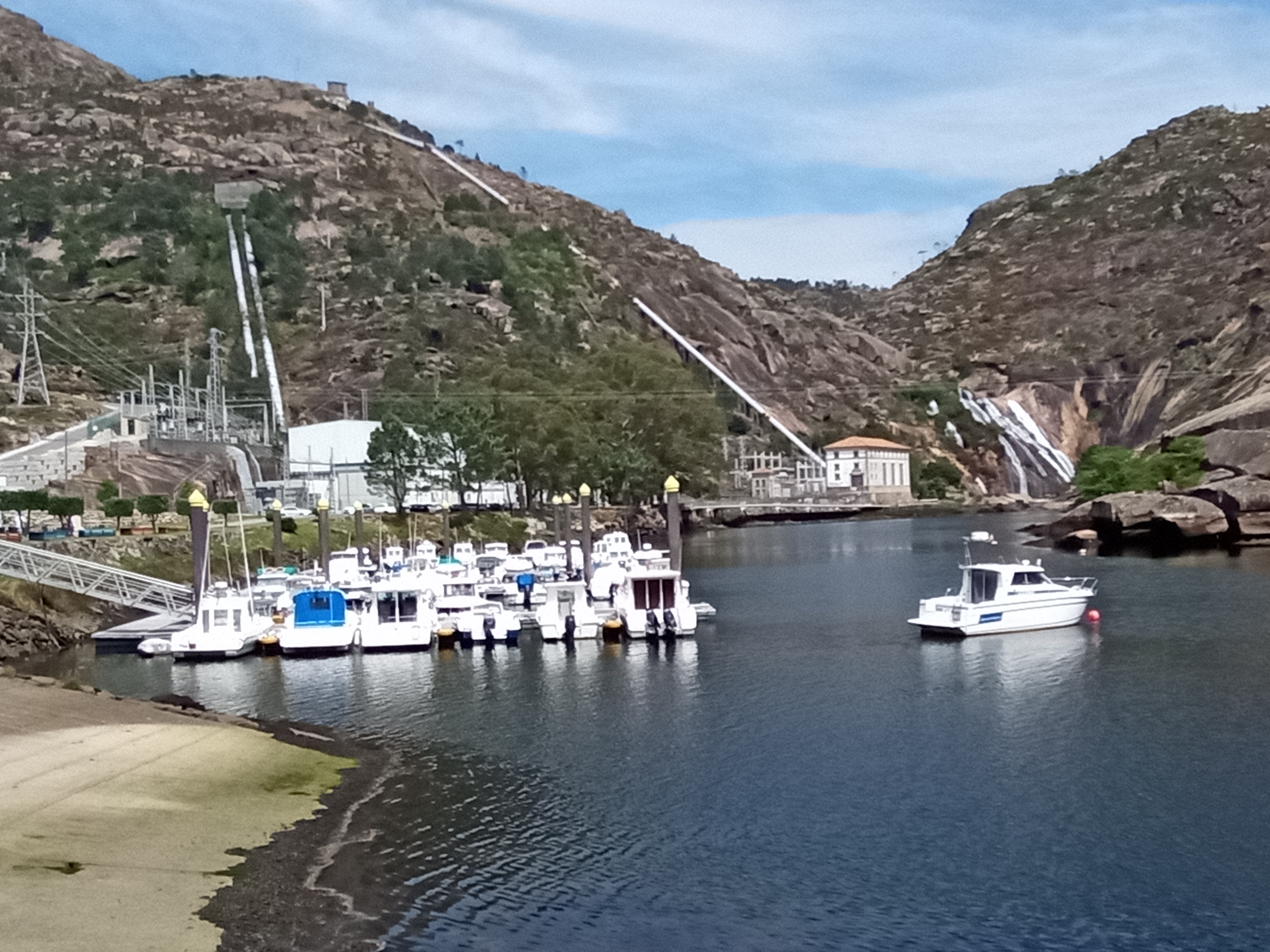
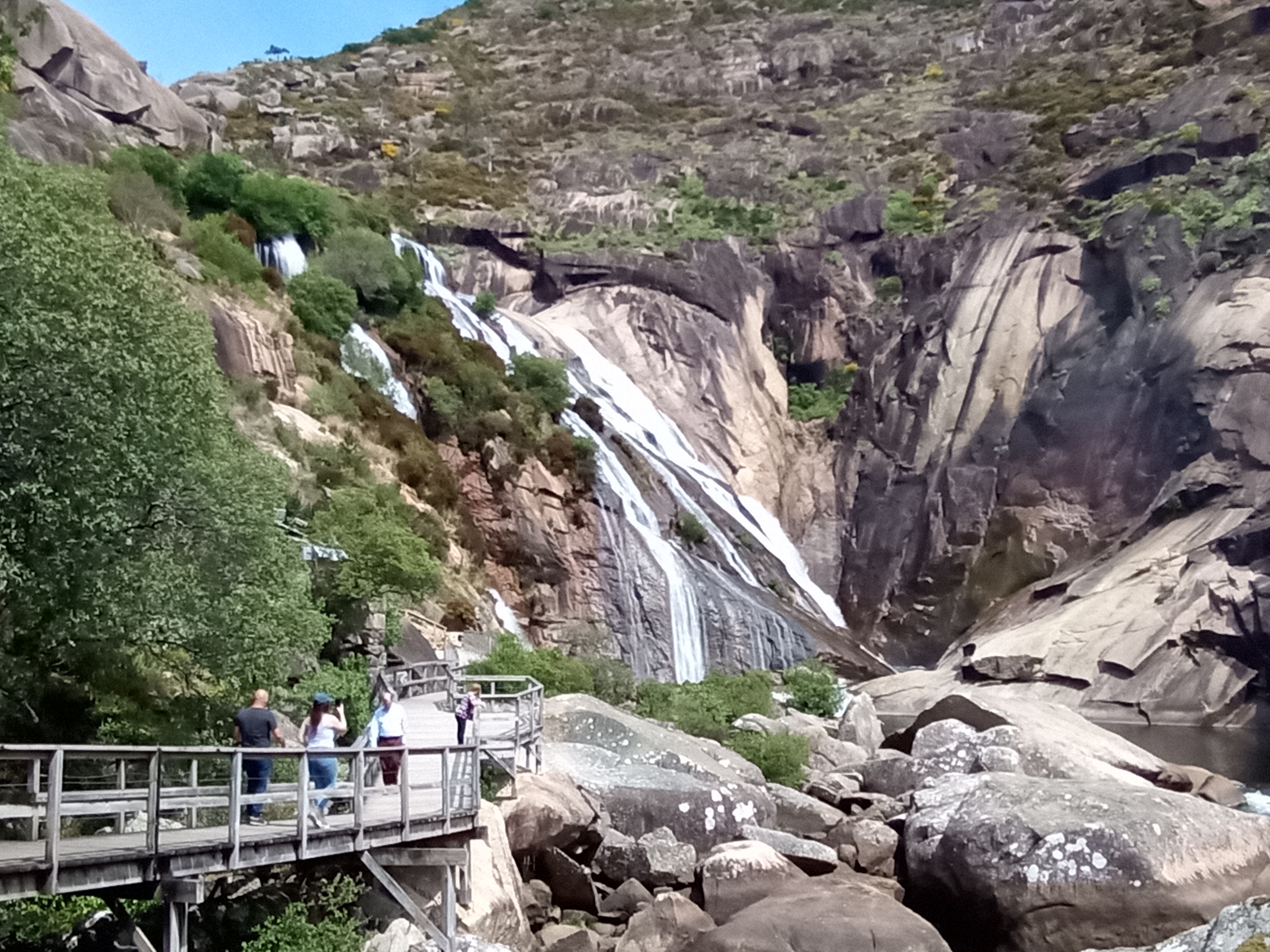
On the way to Fisterra, we also visited Ézaro Waterfall (Cascada del Ézaro). The best time to see it is, of course, in winter, when rainfall is highest.
Fisterra (the westernmost part of Spain) is also the endpoint of the Camino de Santiago – Fisterra route, which starts in Muxía. Fisterra is also the final destination for pilgrims who traditionally burn their clothes by the ocean before heading home.
The distance between Santiago and Fisterra is 91 kilometers. Adding the distance to Muxía brings the total to 117–118 kilometers, which qualifies for a Camino walking certificate.
Fisterra, or “end of the world,” gets its name from “Finisterre,” derived from the Latin finis terrae, meaning “end of the earth.” The Romans chose this name when they arrived here. This stretch of the Galician coast is also called “Costa da Morte” (Coast of Death), as many ships sank here after striking jagged rocks.




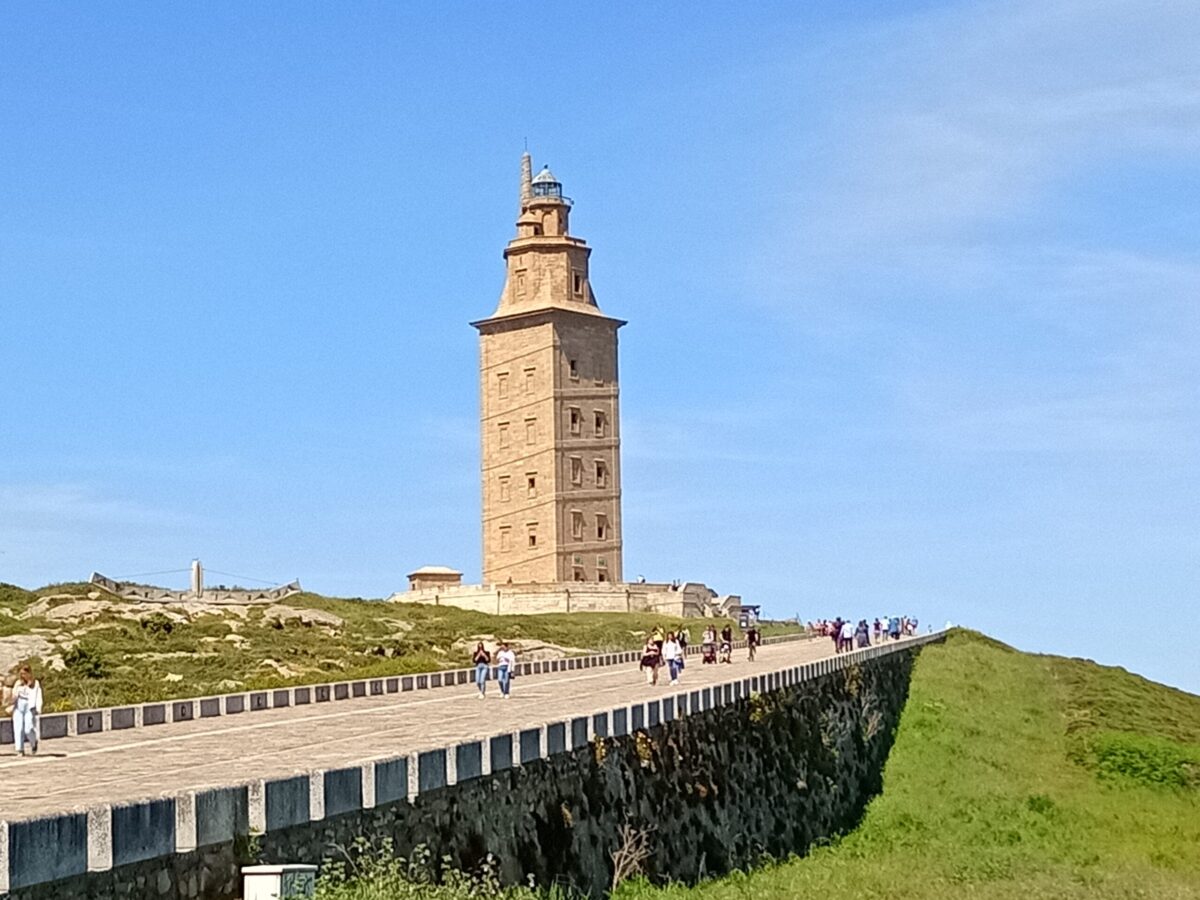
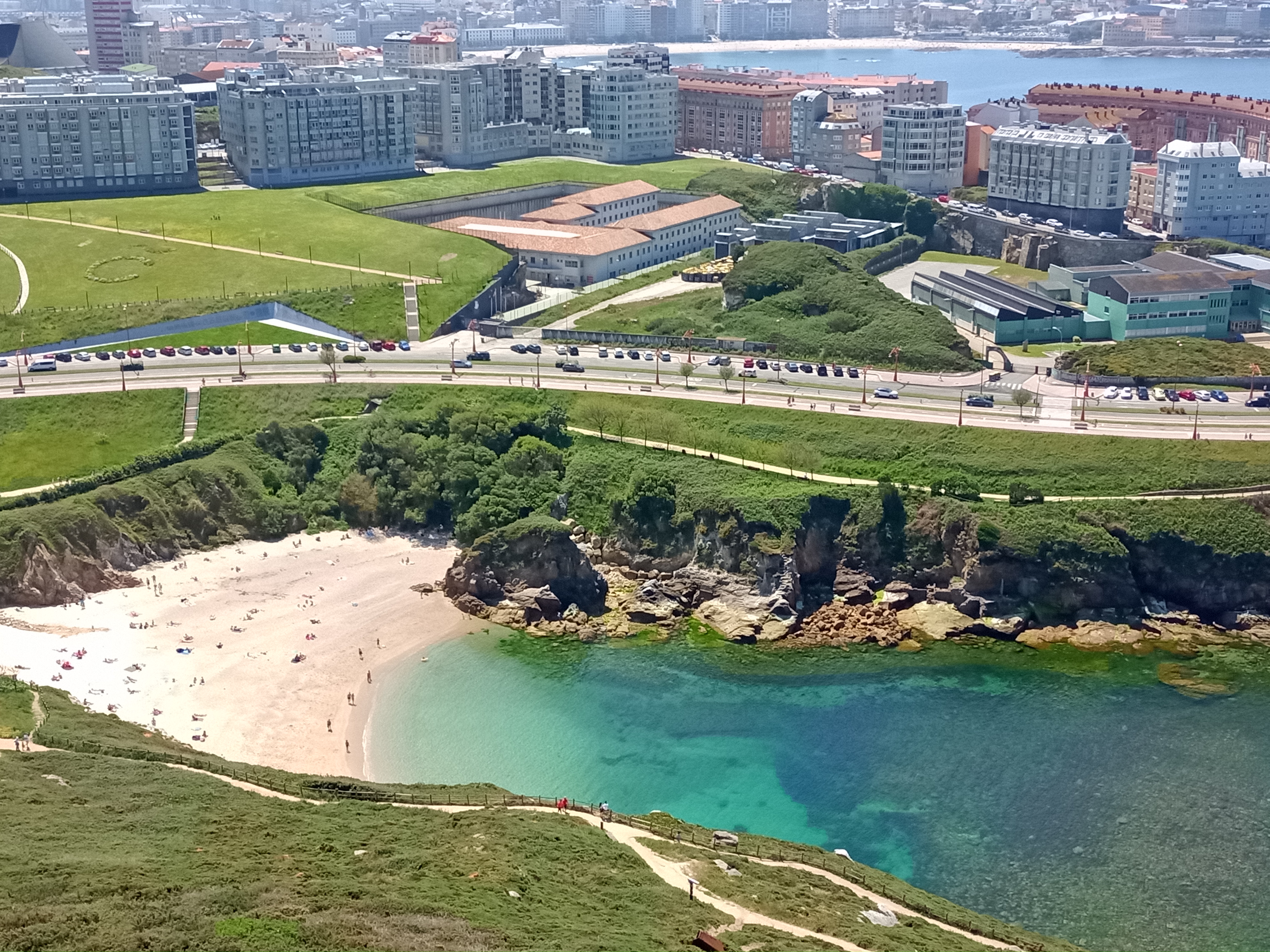
A Coruña (La Coruña) is the oldest city in Galicia and the capital of this autonomous province. Until 1982 it was also the administrative capital, later replaced by Santiago de Compostela. Although temperatures above 30°C are rare, a record high of 39.6°C has been measured in summer. In Roman times, the city was an important commercial and maritime hub. From that era dates the lighthouse known as the Tower of Hercules (Torre de Hércules), the oldest still-operating lighthouse in the world. It should not be confused with Torres de Hércules, a modern twin-tower building in Cádiz, or the Pillars of Hercules (Columnas de Hércules), linked to the legend of mythological beings at the Strait of Gibraltar.
After the decline of the Roman Empire, A Coruña went into decline until the Middle Ages amid frequent Viking raids from the north and threats of raids from Al-Andalus in the south. In the Middle Ages, the city revived thanks to trade in salt and spices.
Admission to the lighthouse is €3 (€1.50 for seniors) and visit time is limited to 30 minutes.
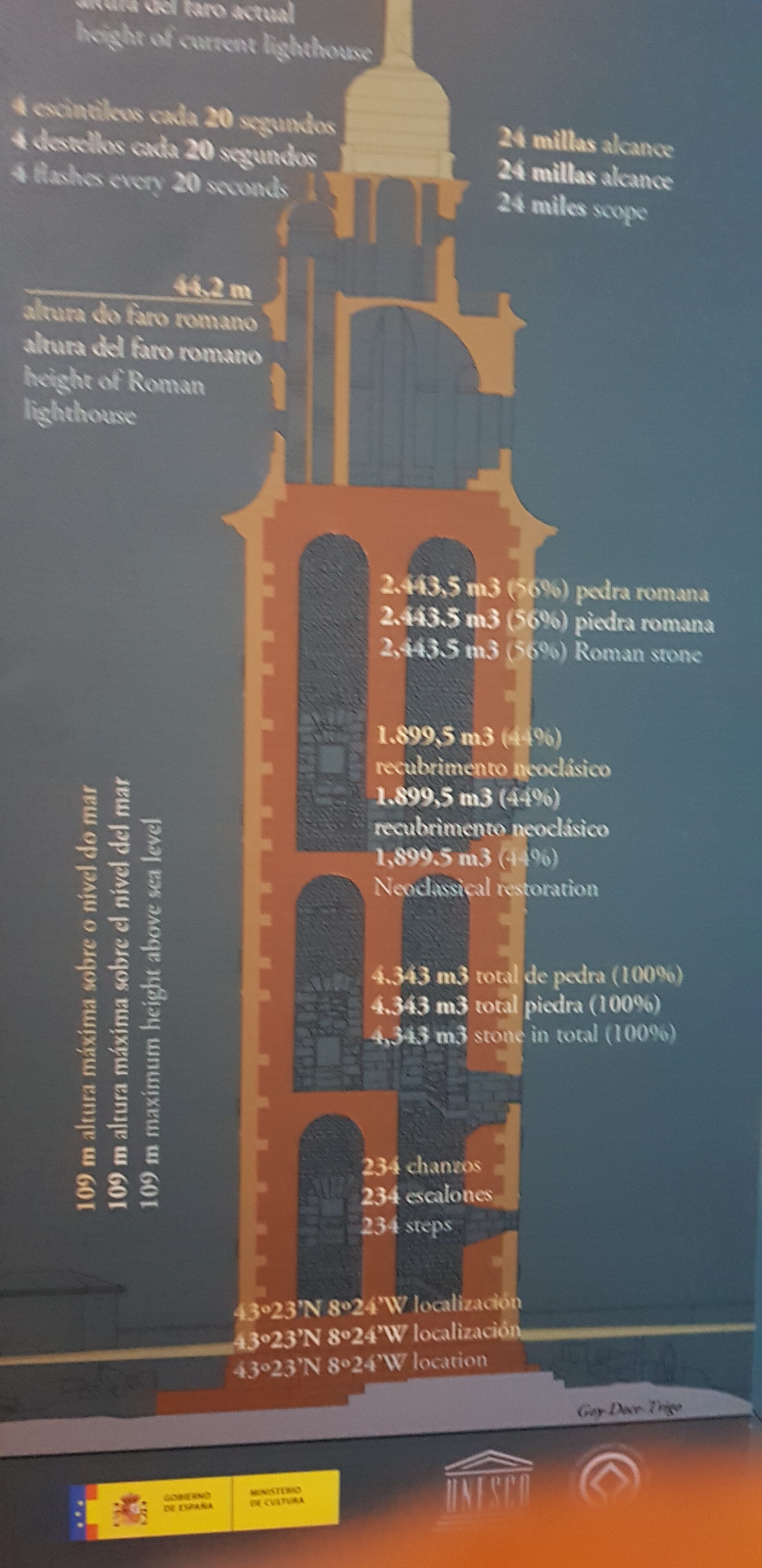
The tower is 109 m tall, has 234 steps, and contains 4,343 m³ of stone. Its light flashes every 20 seconds and is visible 24 nautical miles away. In 1899 it was restored in a neoclassical style. The height of the Roman lighthouse was 44.2 m.





Back to Part 1: Northern Spain – Part 1

As an Amazon Associate I earn from qualifying purchases.