In the final leg of our Andalusian road trip, we left the grand palaces of Seville behind and headed toward the Atlantic coast and the dramatic southern tip of the Iberian Peninsula. This last part takes us through the historic port city of Cádiz, up the storied Rock of Gibraltar, across the breathtaking gorge of Ronda, and finally back to the relaxed beaches of Fuengirola on the Costa del Sol.
Cádiz
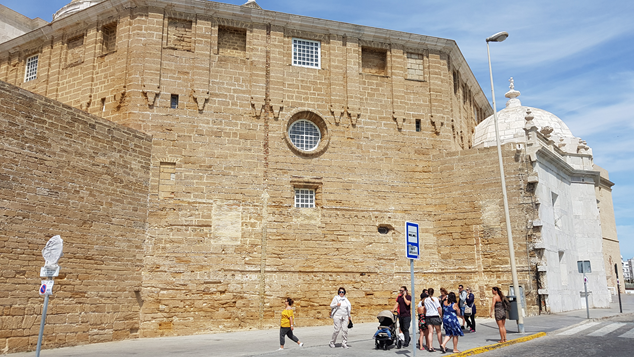
On our way toward Gibraltar, we stopped to explore Cádiz. The historic old town sits on a narrow peninsula, and with its winding alleys and cozy little bars, it feels like a quintessential seaside town. During the Middle Ages, the city became a vital naval military base. In the 18th century, Cádiz flourished as the hub of transatlantic trade, which is when its grand cathedral was built. Today, it remains a major port thanks to its maritime connections with Africa, the Americas, and European coastal nations.
Gibraltar
We chose accommodation in the coastal town of Algeciras because of its proximity to Gibraltar. Hotel Mirador sits right by the beach, though unfortunately also near the container port. Behind the hotel runs a noisy four-lane highway, so we wouldn’t recommend staying there.
It’s best to set aside a full day to climb the Rock of Gibraltar and explore the town.
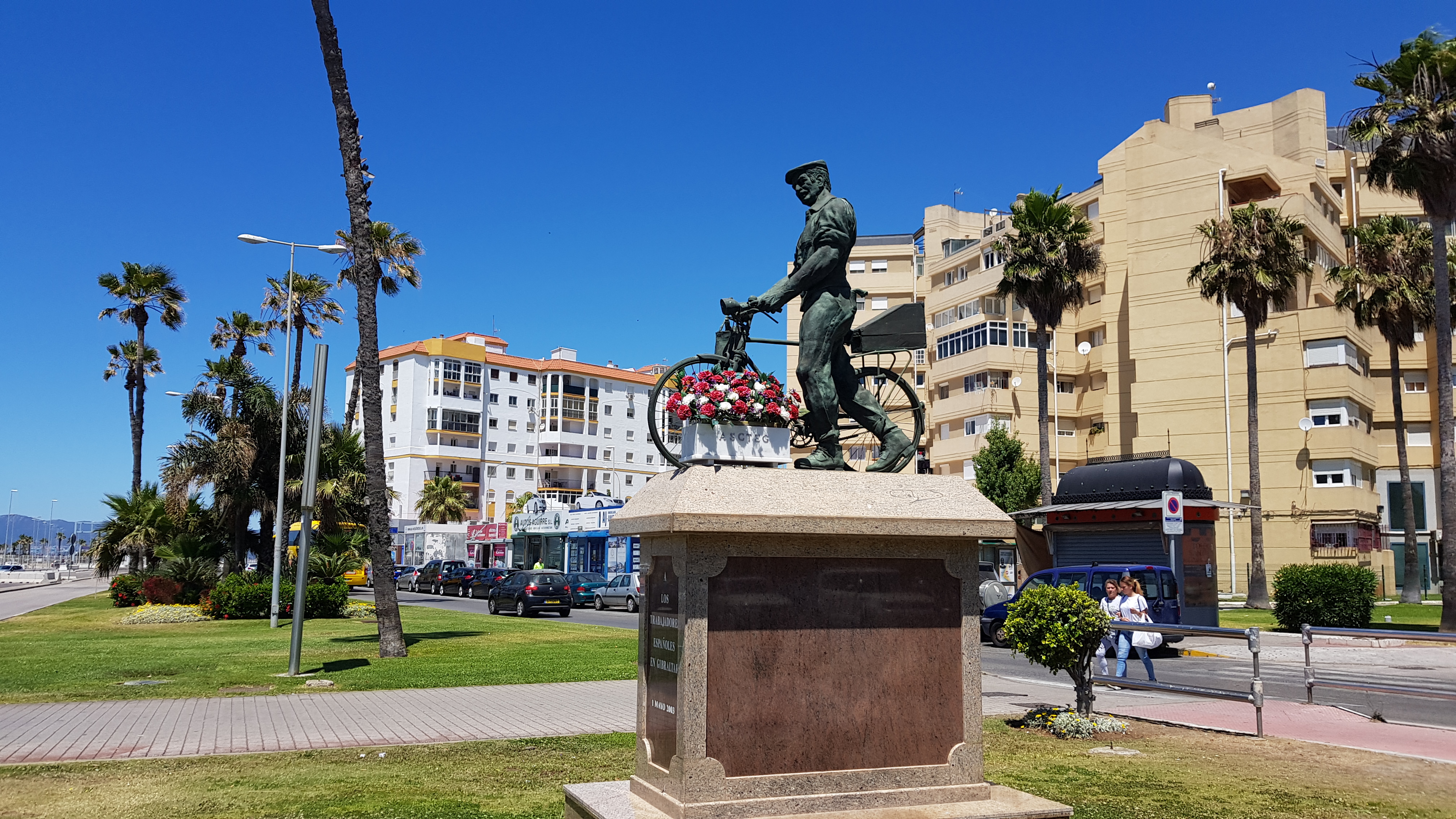
There are car parks right before the border crossing into Gibraltar. The easiest way to get in is to walk across passport control and hop on a bus to the city gates. Because Gibraltar is a duty-free zone, border officers check bags on the way back to see how many cigarettes or how much alcohol you’re carrying.
According to Greek legend, the Rock of Gibraltar is one of the Pillars of Hercules.

The Moors held it until 1309, when it was captured by Ferdinand IV of Castile, though the Moors recaptured it in 1333 after a long siege. In 1704, during the War of the Spanish Succession, Anglo-Dutch forces seized Gibraltar, and in 1713 Spain ceded the Rock to Britain “in perpetuity.” Prices are listed in Gibraltar pounds or British pounds, though euros are also widely accepted.

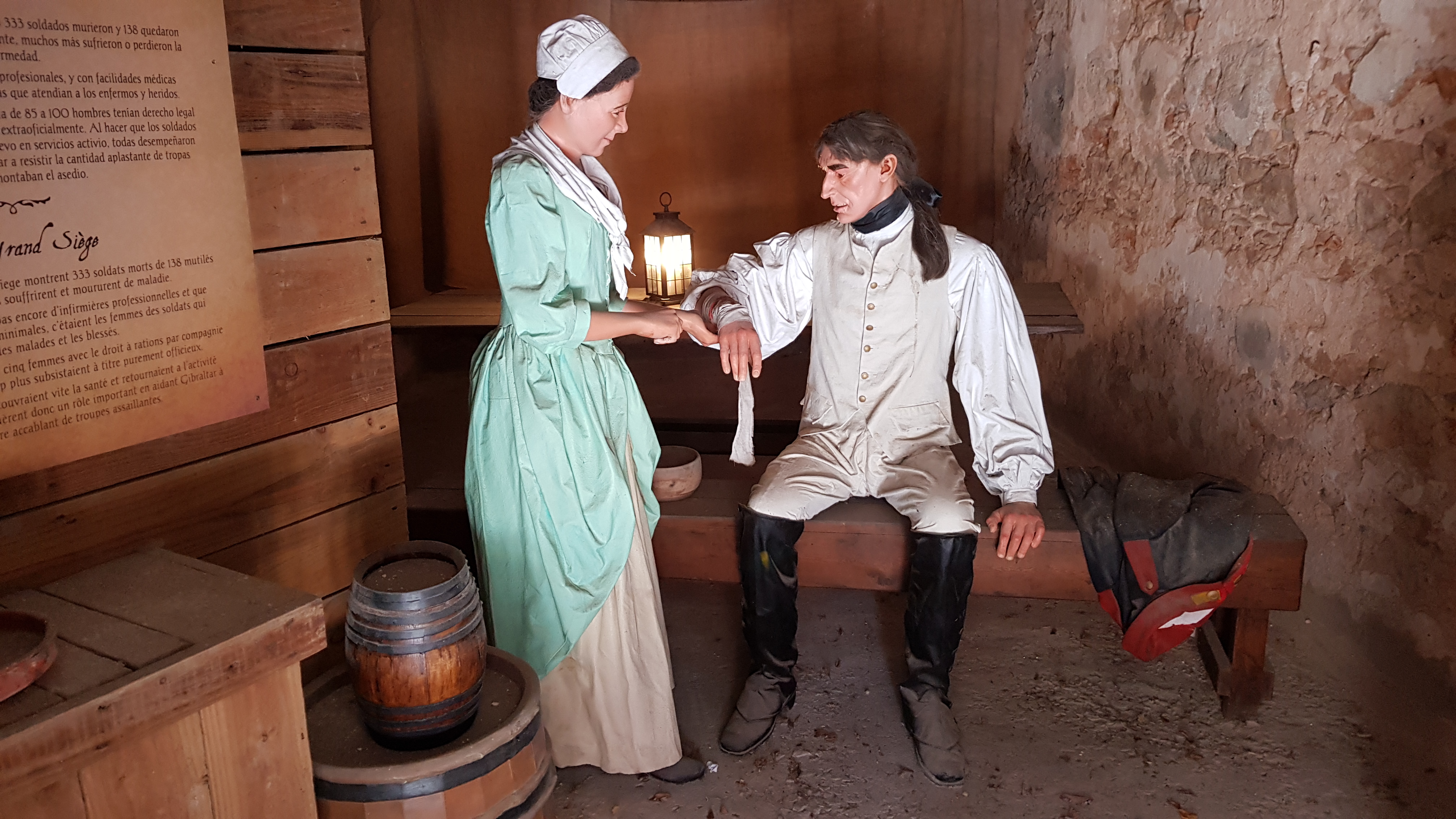
Gibraltar has 55 km (34 miles) of tunnels—more than its total length of roads. In the 20th century, the interior of the Rock was transformed into an underground fortress capable of housing 16,000 troops with all the infrastructure, ammunition, and supplies needed to withstand a prolonged siege. The tunnels were finally closed in 1968.
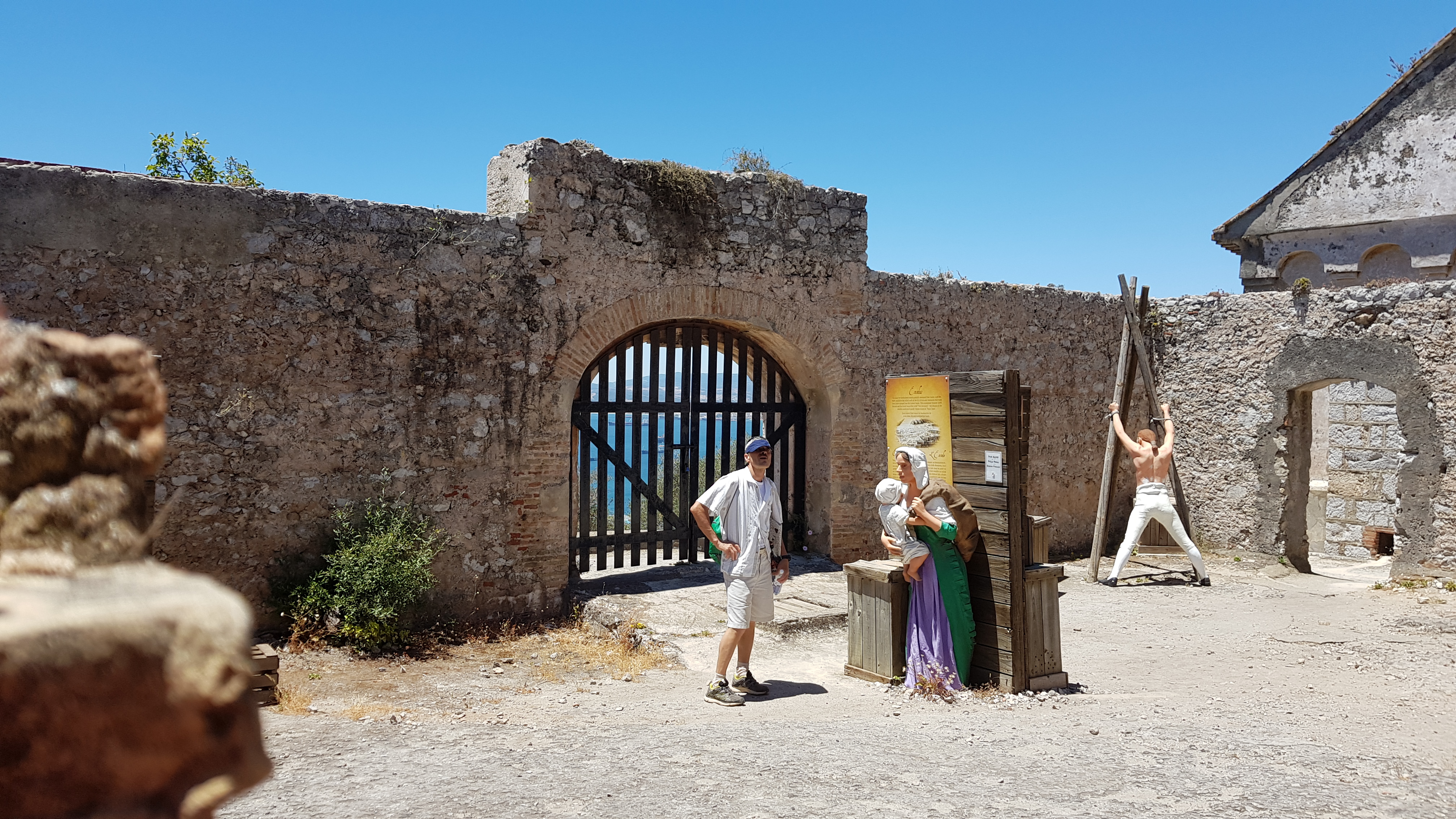
The photo below shows the last remaining lime kiln in Gibraltar. One of the streets is even named after them, testifying to the vital role lime production played in whitewashing buildings, coating water reservoirs, and disinfecting mass graves during times of conflict.

Artillery batteries and cannons were positioned at every viewpoint,

hauled up to the summit and battery positions using ropes and iron eyebolts anchored along the roadside.
During World War II, Gibraltar played a pivotal role in both Atlantic and Mediterranean operations. It was bombed by Vichy France and the Italian Royal Air Force, and targeted by manned torpedoes launched by the Italian Royal Navy from Algeciras. Dwight D. Eisenhower even established his headquarters here while planning the Allied invasion of French North Africa in 1942.
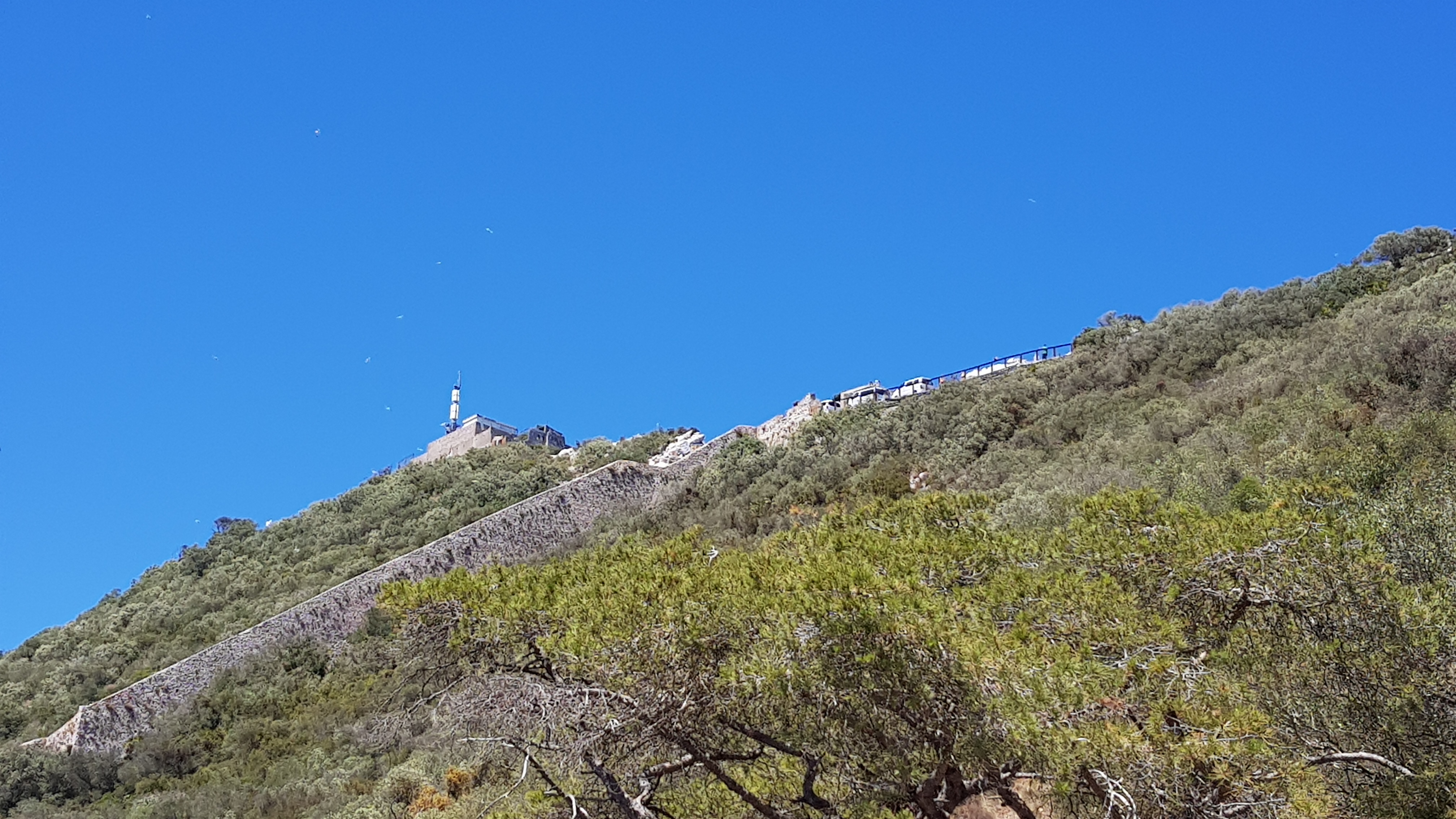
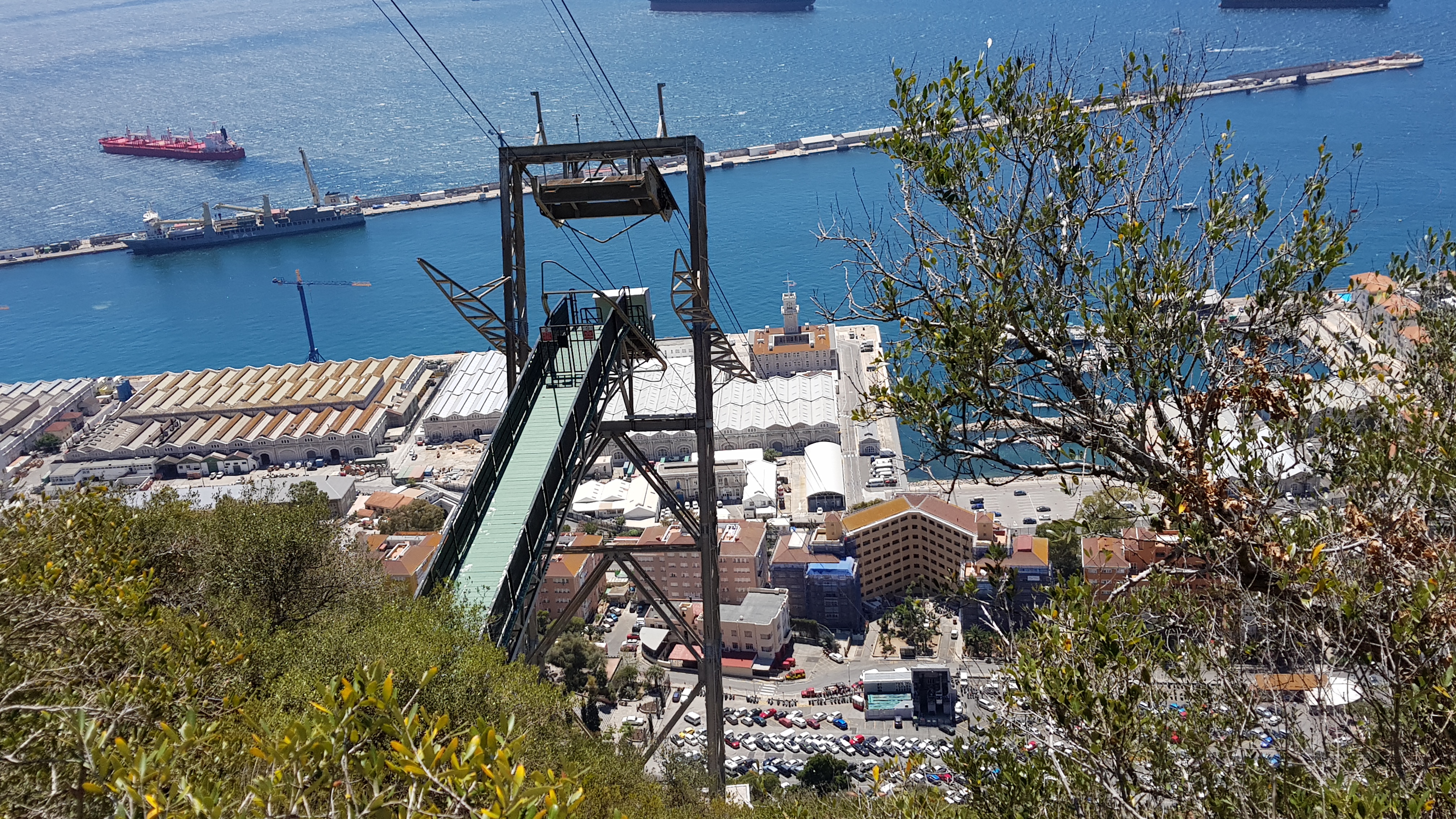
A cable car runs to the top, while climbing up via the Mediterranean Steps makes for an unforgettable trek. Taxis also drive up to the parking area near the summit. We didn’t go all the way to the top ourselves.
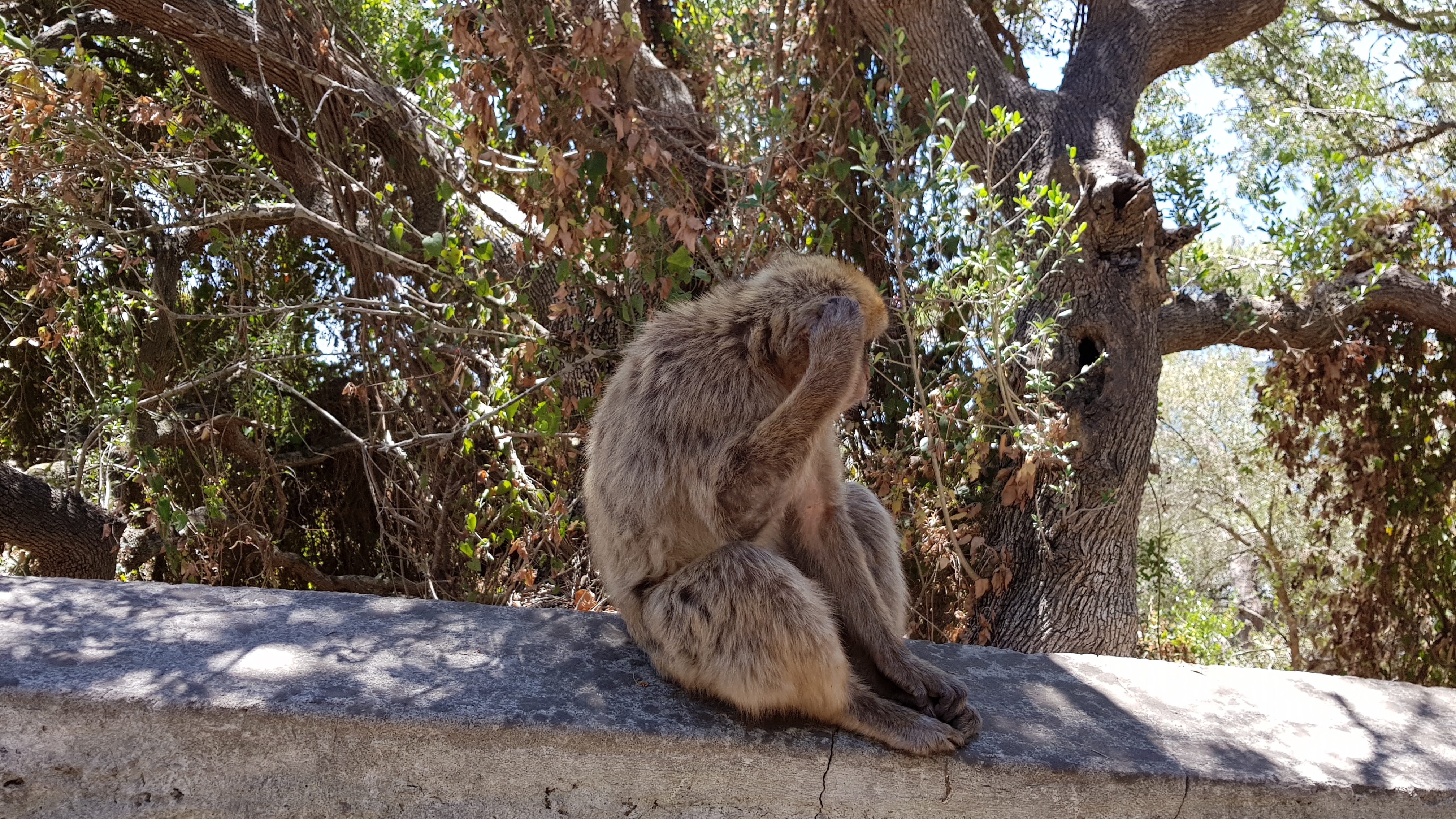
One of Gibraltar’s trademarks is its Barbary macaques—a species of tailless monkeys also known as rock apes. To boost morale during WWII, on September 2, 1944, British Prime Minister Winston Churchill sent a directive to the colony’s governor ordering that the ape population be maintained at a minimum of 24.
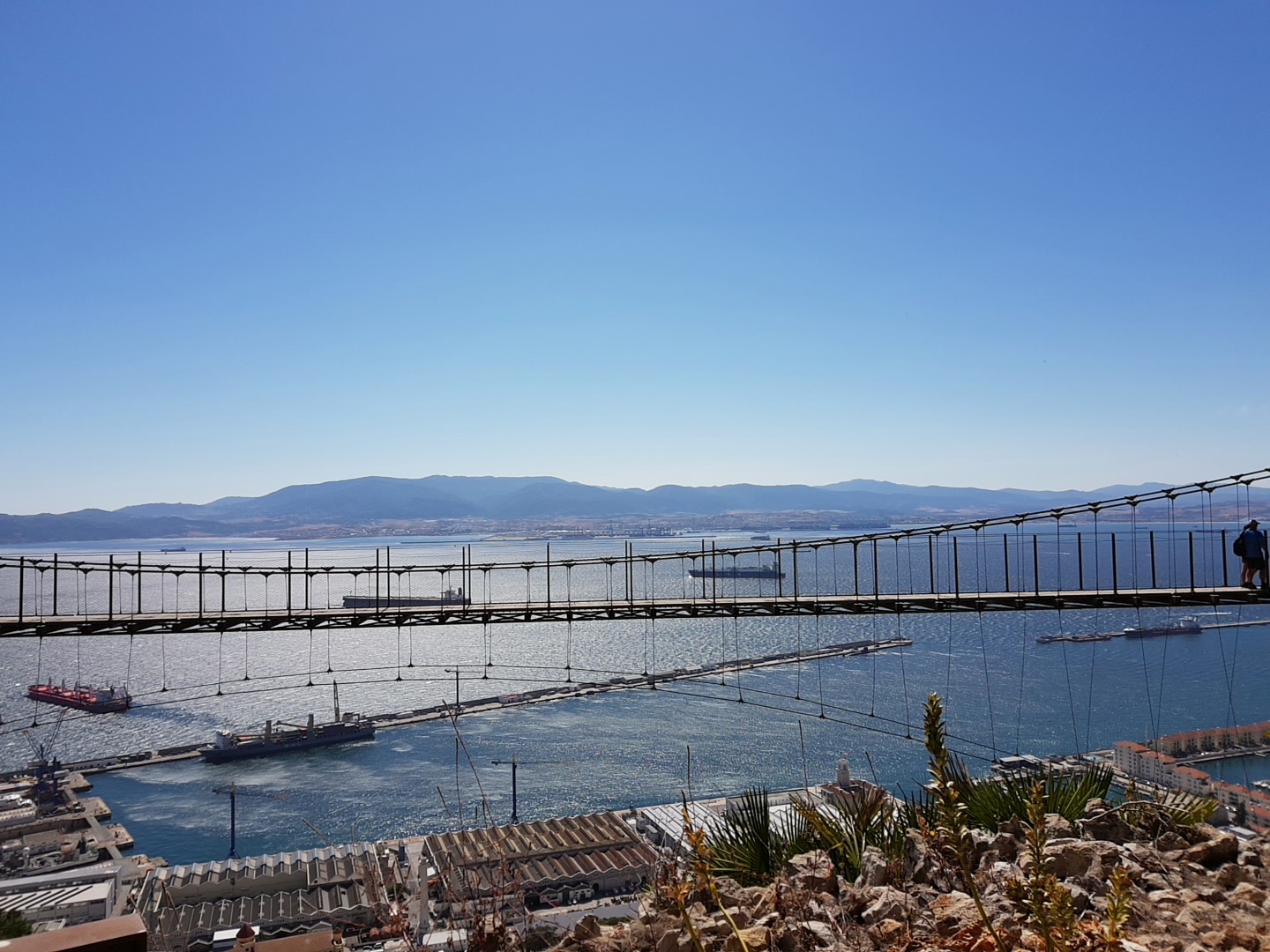
From the Windsor Suspension Bridge, located next to Haynes’ Cave Battery from World War II, you get a sweeping view of the town and the Bay of Gibraltar.
RONDA
Winding through the hills and past Andalusia’s iconic white villages (pueblos blancos), we arrived in Ronda.
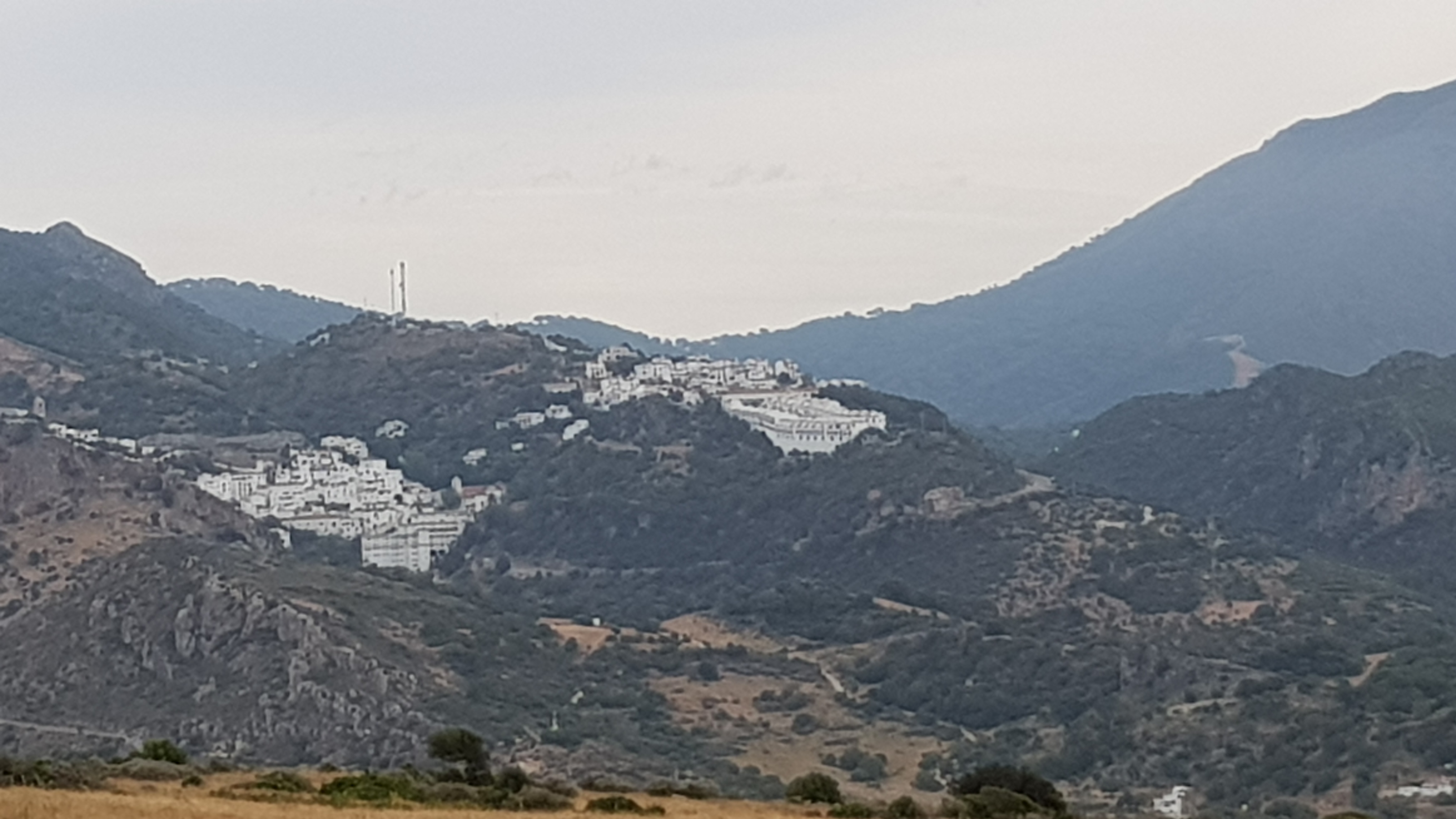
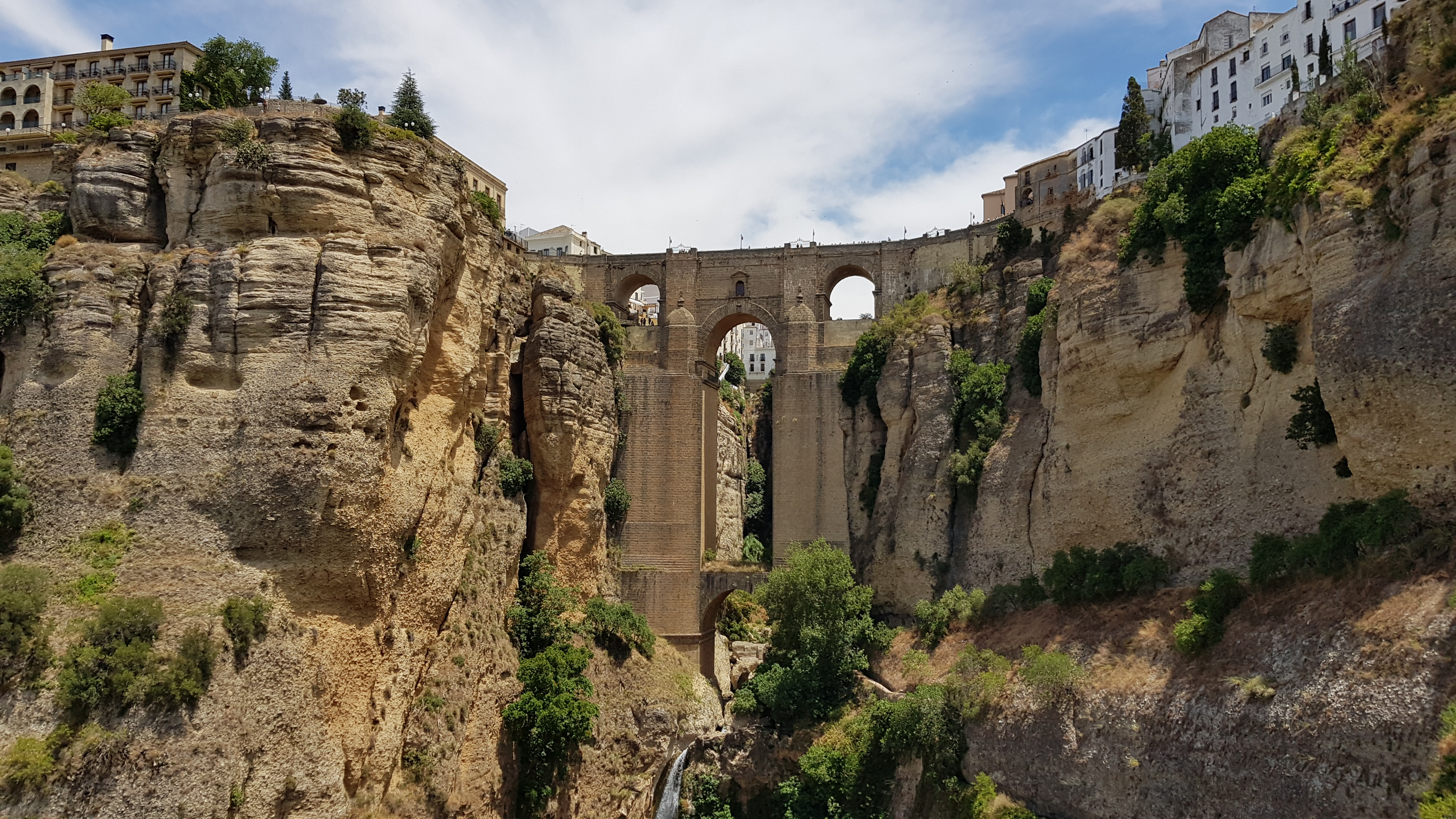
Ronda, a town in the province of Málaga, lies about 105 km (65 miles) west of Málaga city. Its setting is dramatic, perched right on the edge of the El Tajo gorge. The Puente Nuevo (“New Bridge”), which connects the two halves of Ronda, is famous from Ernest Hemingway’s novel For Whom the Bell Tolls, set during the Spanish Civil War (1936–1939). Completed in 1793 after 40 years of construction, the bridge spans the 98-meter-deep (320 ft) Tajo chasm, dividing Ronda into the newer town (El Mercadillo, “the little market”) and the old Moorish town (La Ciudad).
The Ernest Hemingway Hotel & Restaurant and Paseo de Orson Welles honor two famous admirers of Spain and bullfighting.
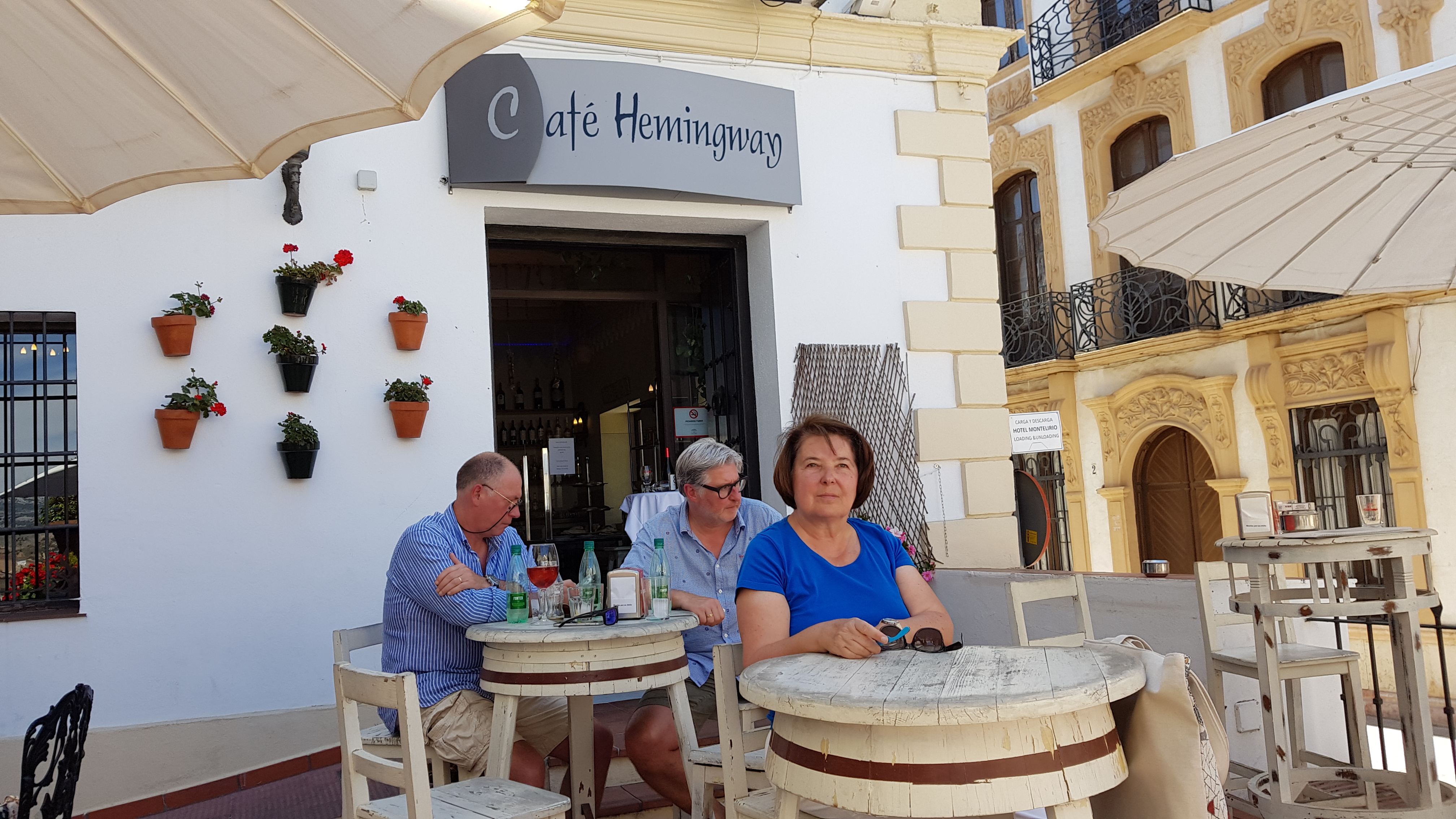
Hemingway famously believed that bullfighting was far more than a mere sport.
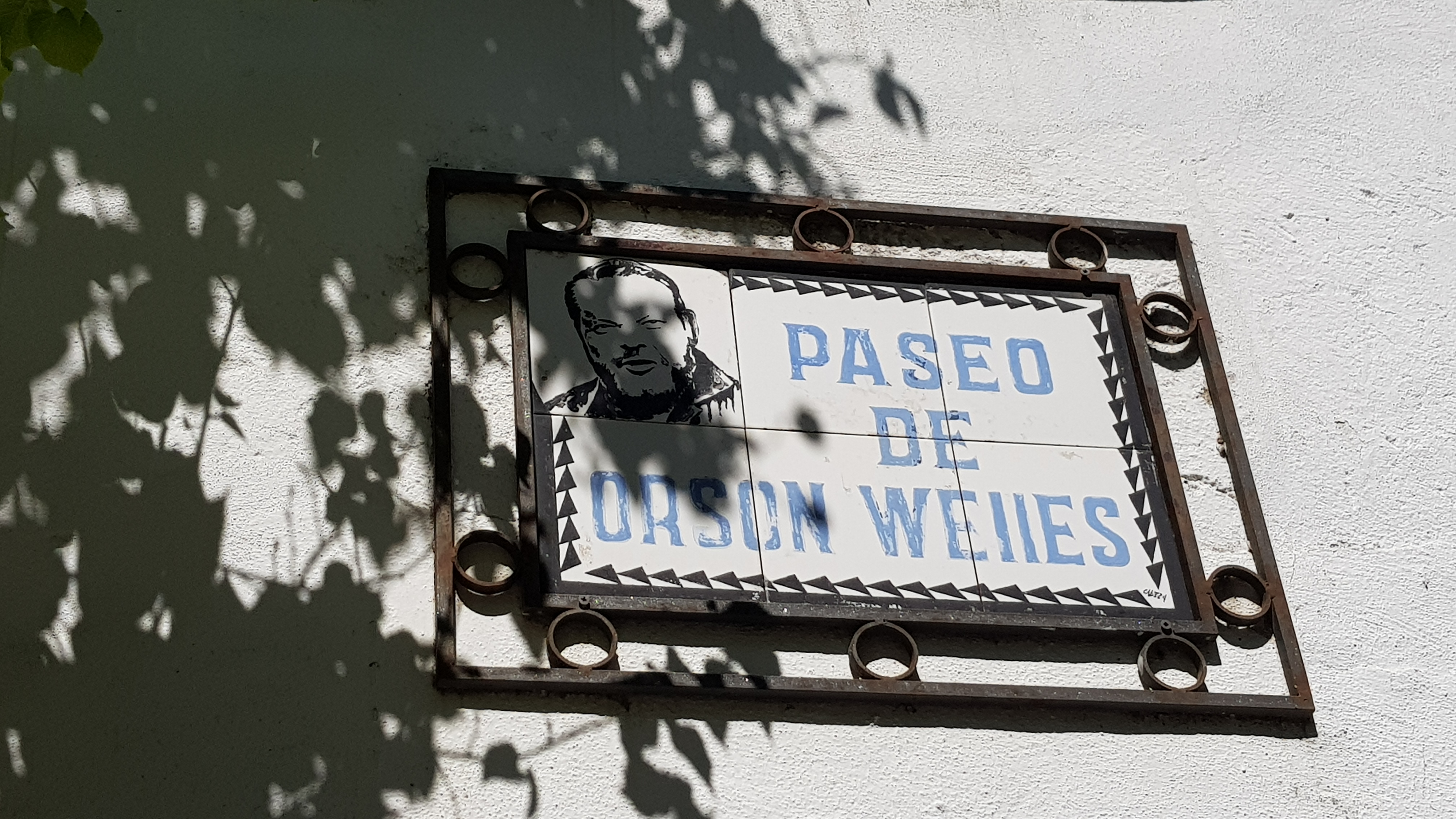
The ashes of film director Orson Welles (director of Citizen Kane and The War of the Worlds, and actor in Battle of Neretva) were interred beneath a linden tree at a bullfighting estate in Ronda on May 7, 1987.
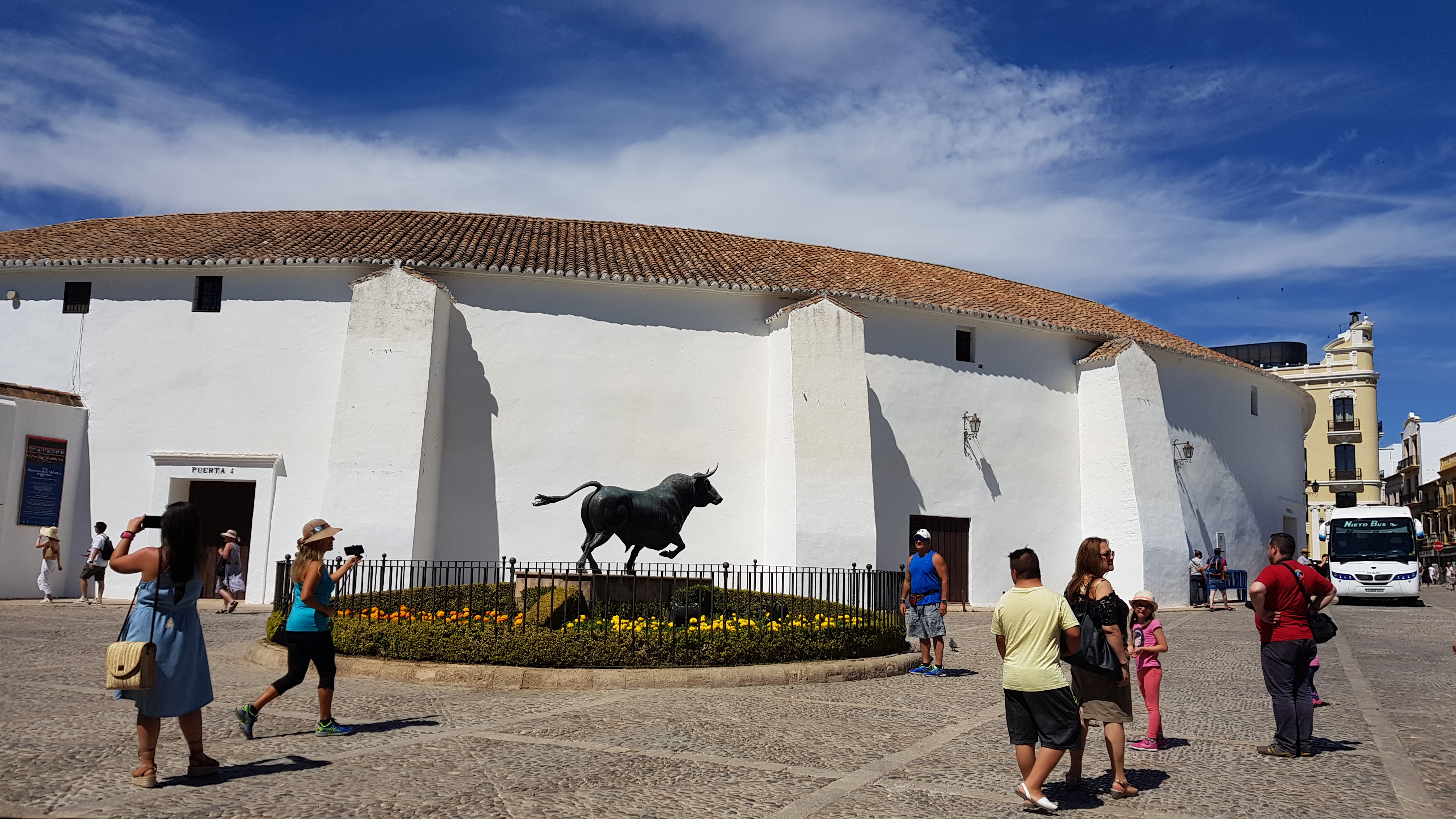
Corrida Goyesca – Plaza de Toros
Fuengirola
Fuengirola is a popular resort town on the Costa del Sol known for its mild climate and warm sea, attracting many retirees from Western Europe, particularly the UK. This is also where we wrapped up our trip. Hotel Villa de Laredo is separated from the beach only by a coastal road, much like in Slovenia’s Portorož. There weren’t many swimmers around, echoing the local newspaper headlines asking where summer had gone: “Verano, ¿dónde estás?” Once we jumped in for a swim, we realized the question was well founded—the sea temperature was a brisk 18 °C (64 °F).
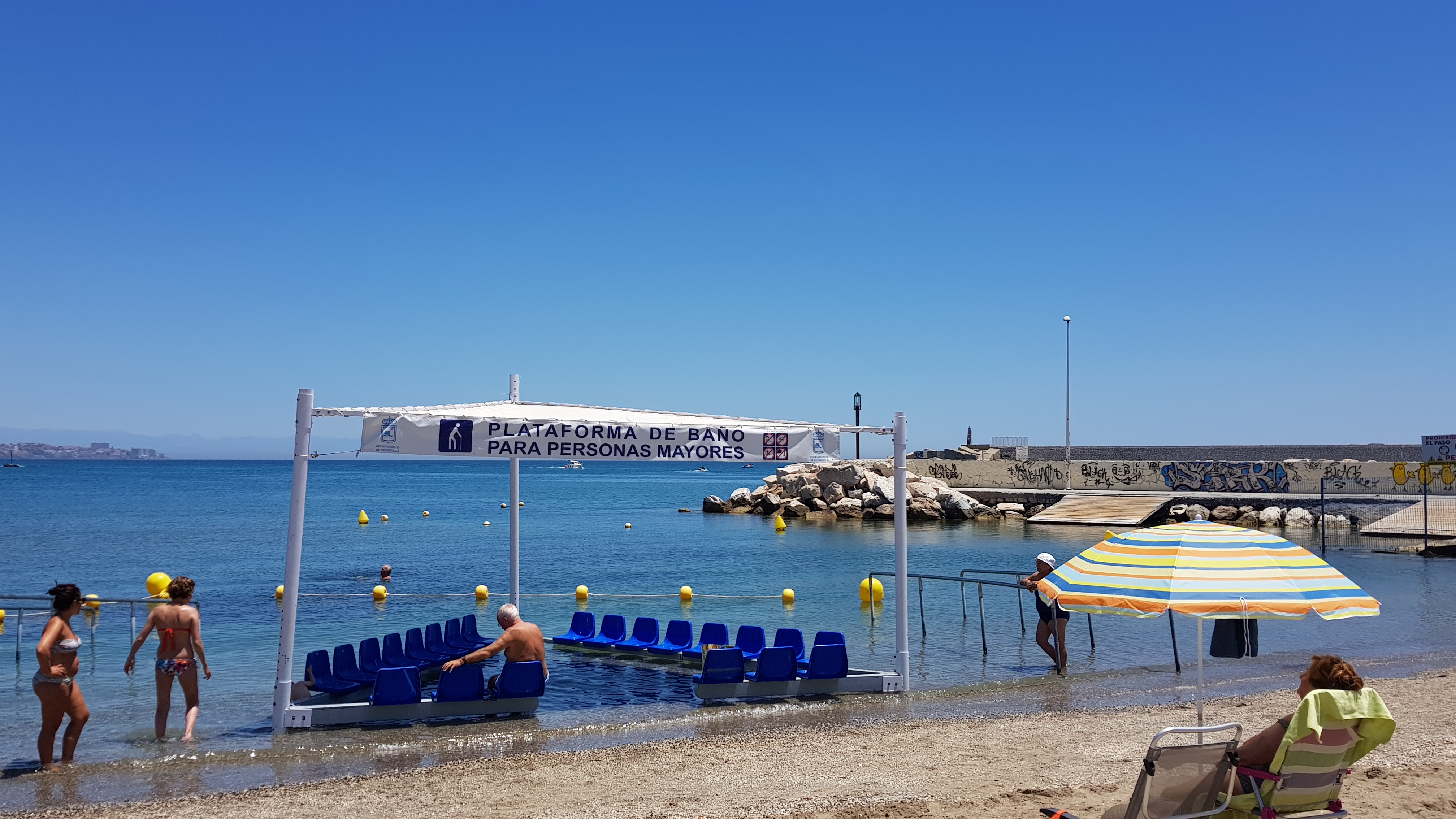
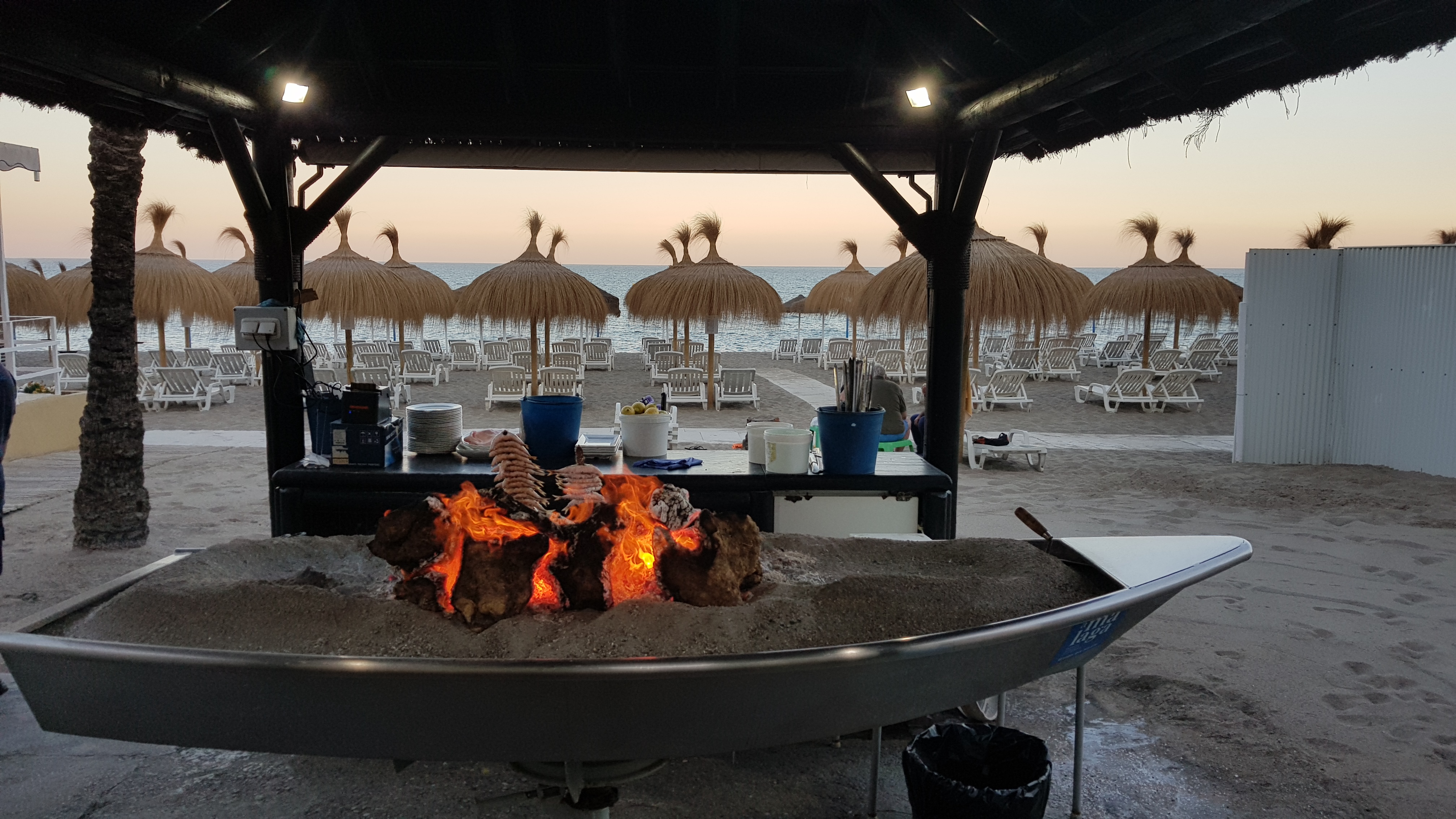
To finish off the trip, we treated ourselves to a local specialty: skewered grilled sardines (espetos de sardinas).
Andalusia: Málaga, Córdoba, Granada