The name of today’s Spanish autonomous community of Andalusia originates directly from the name Al-Andalus (Arabic al-ʼAndalus). This was a powerful medieval Islamic state, also known as Moorish or Islamic Iberia. At the peak of its power, it covered most of present-day Spain and Portugal, and even included Andorra and parts of southern France.
The best time to travel to Spain is in spring (May and June) or autumn (from the second half of September to November). That is why you need to visit Spain twice. First, Dragana and I went to Andalusia in the spring of June 2019, and then I went to Madrid alone in the autumn (October).
Traveling around Spain is always fascinating because of the people, climate, landscape, history, culture, and language.
Since I started learning Spanish a year and a half ago, that was one of the main reasons for the trip. Unlike other languages, its phonetics are simple. However, its sentence structures—influenced by the Romans, Muslims, and others—have few rules and many exceptions. According to a 2016 study on the Power Language Index, Spanish ranks 4th in the world.
The trip to Andalusia was my idea, while Dragana put together a day-by-day itinerary based on past travels, a Spain guidebook, and a few of my suggestions.

Our flight was from Treviso near Venice at 10:00 PM, so we landed in Málaga at 12:15 AM. I booked a rental car through Ryanair with Centauro, which turned out to be inconvenient because their parking lot is located off-site near the airport, and they pick up customers with a shuttle van that only stops outside the airport exit. As a result, we arrived at the hotel quite late at night.
We booked a hotel in Torremolinos, which is also very close to Málaga Airport. Hotel Complejo Los Rosales offers free parking and is a 10-minute walk from the bus stop. The room cost €33/person/night, and breakfast was €6/person.
Málaga
Archaeological remains and monuments from the Phoenician, Roman, Arab, and Christian eras have turned the city’s historic center into an open-air museum showcasing over 3,000 years of rich history. Since we had the whole day to explore the main sights in the center, we decided to take a short guided tour first, followed by exploring on our own. There are several short guided tours—”free tours”—available. In the end, it turned out that the “free tour” wasn’t actually free (it operates on voluntary tips).
Málaga has a subtropical-Mediterranean climate and one of the warmest winters in Europe. From December to February, the average daytime temperature is 17 °C (63 °F), while nighttime temperatures hover around 7–8 °C (45–46 °F). The summer season lasts about eight months, from April to November, although temperatures occasionally reach around 20 °C (68 °F) even during the remaining four months.
Málaga’s history spans around 2,800 years, making it one of the oldest cities in the world. It was founded by the Phoenicians as Malaka around 770 BC. From the 6th century BC, it was under the rule of ancient Carthage, and after 218 BC, as Malaca, it came under the rule of the Roman Republic and later the Roman Empire. In the 8th century, it was conquered by the Berbers, who renamed it Mālaqah (مالقة) and ruled it for 800 years. In 1487, during the Reconquista, it returned to Christian rule.
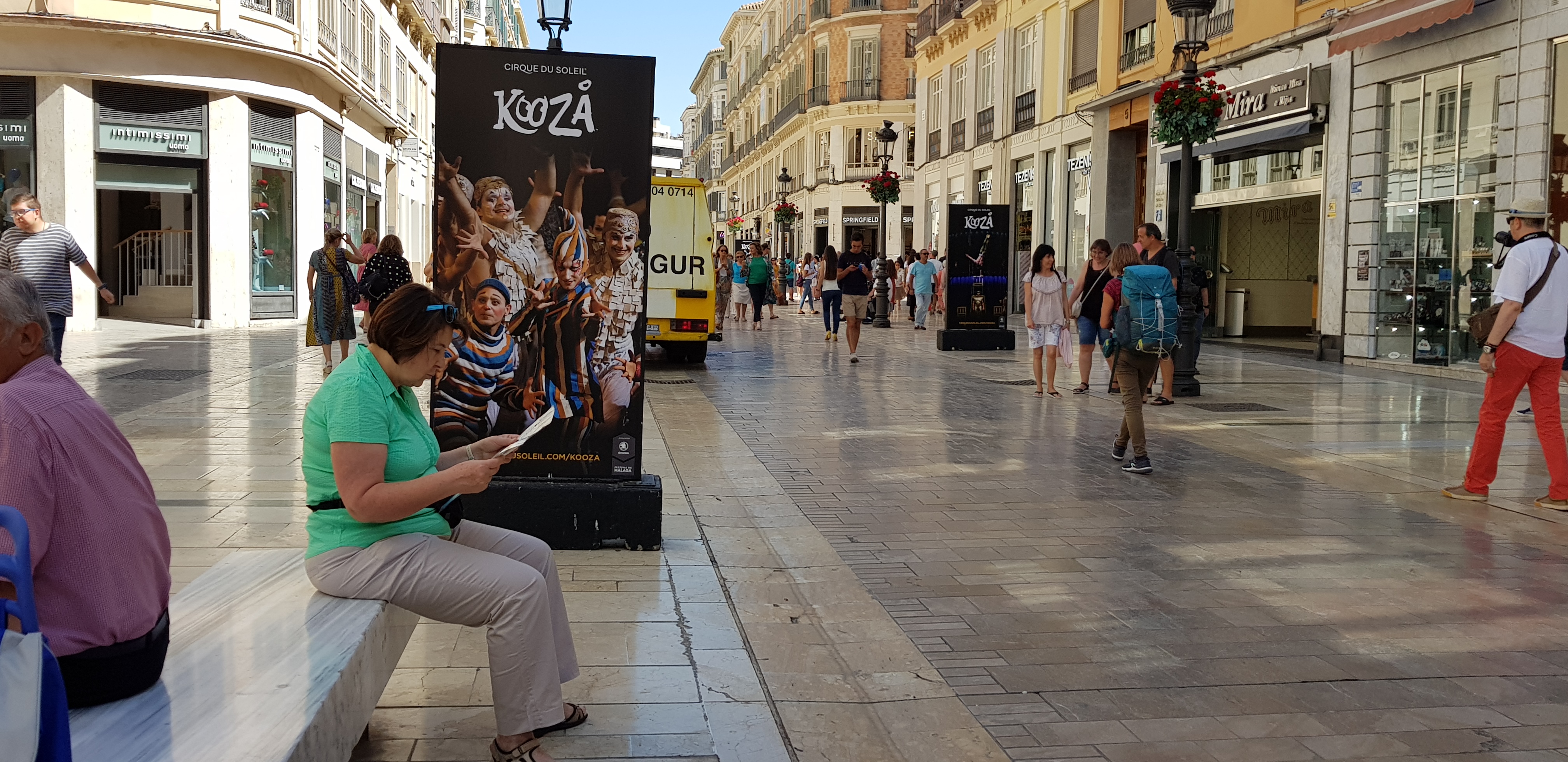
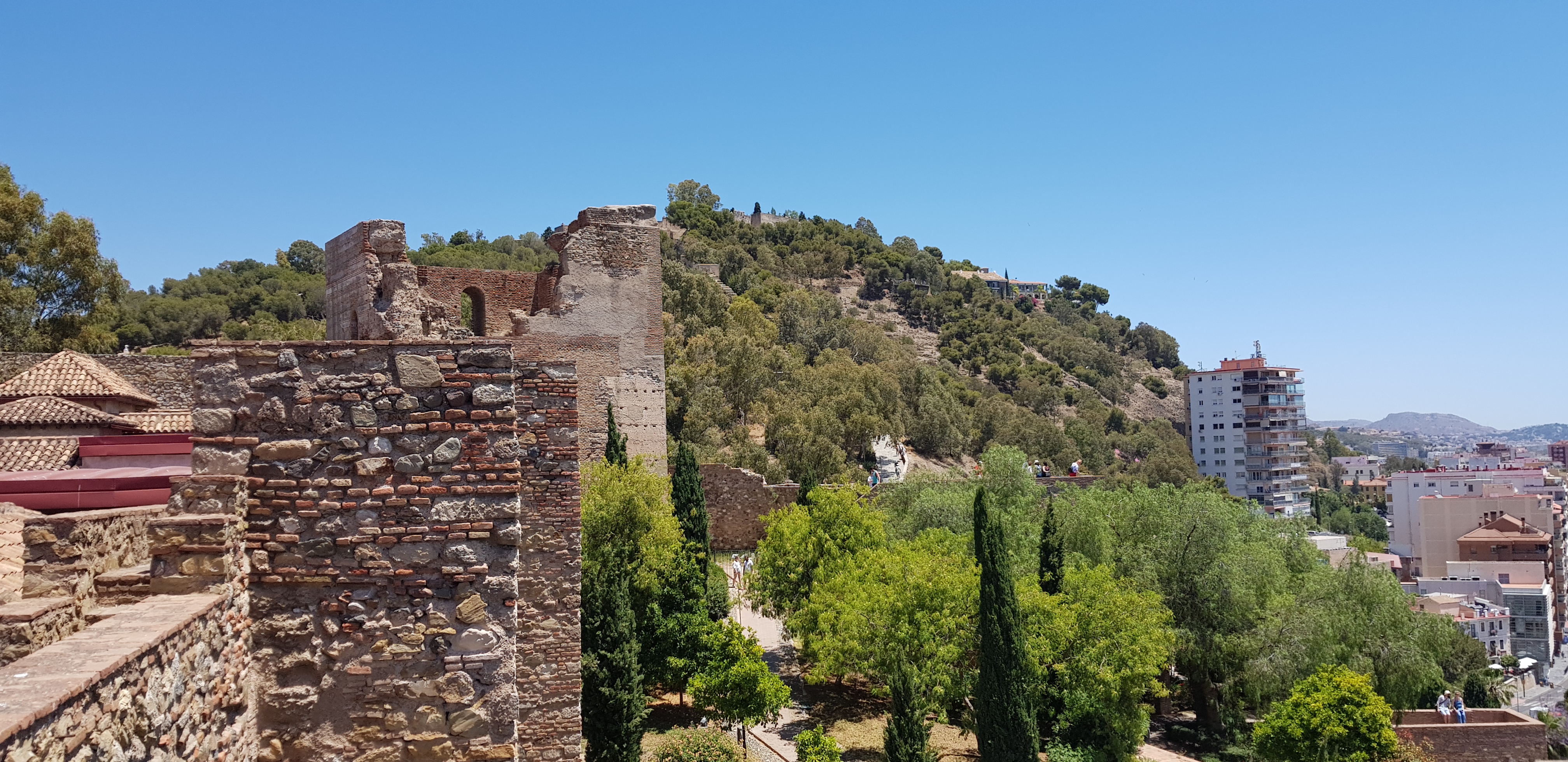
First, we strolled down the most famous street, Calle Marqués de Larios (the Marquis was largely responsible for the development of Málaga), to the cathedral and on into the Jewish quarter, passing Pablo Picasso’s birthplace and arriving at the Roman Theatre with the Alcazaba in the background.
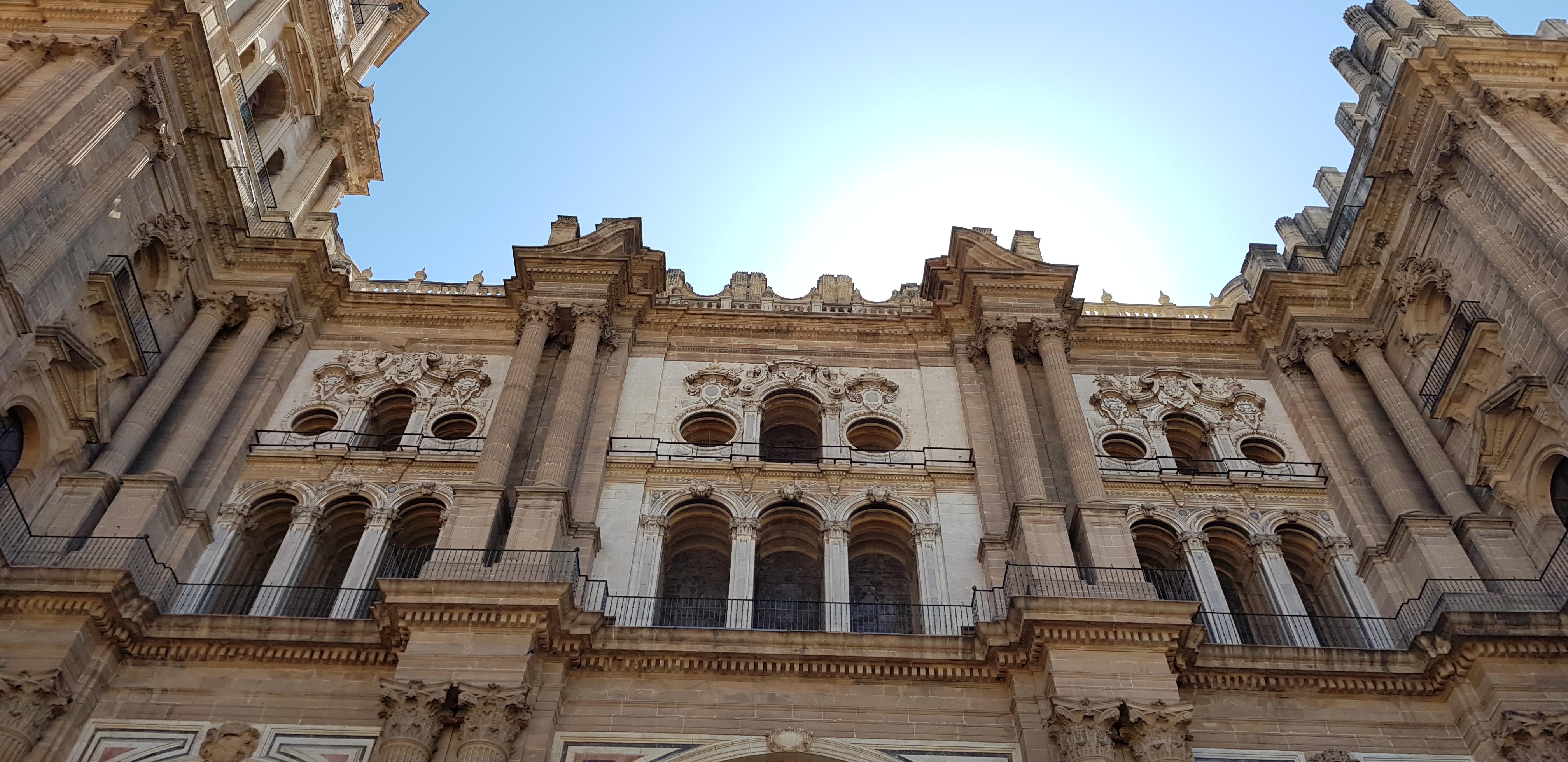
The Cathedral (Catedral de la Encarnación de Málaga) is one of the most important architectural landmarks in the city. It was built in the Renaissance style between 1528 and 1782.
Roman Theatre and Alcazaba
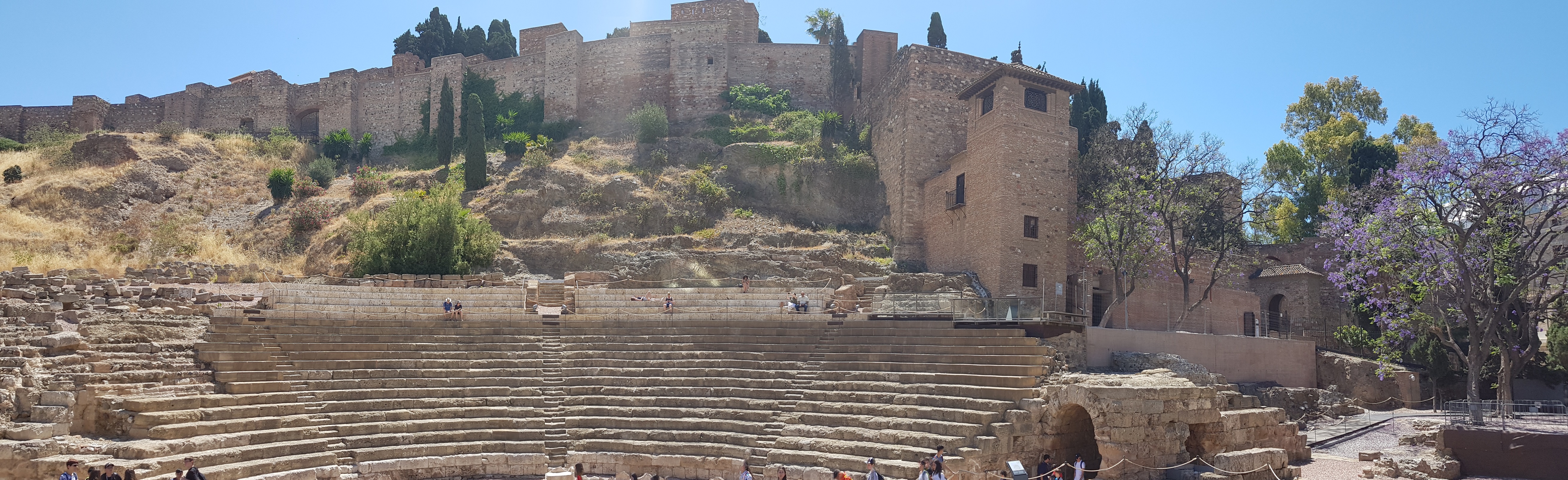
The Roman Theatre is located at the foot of the Alcazaba. It is estimated to have been built in the 1st century AD under Emperor Augustus, and it is partially preserved and reconstructed.
The Alcazaba, a palatial fortification at the foot of Mount Gibralfaro, is Málaga’s most iconic landmark and the best-preserved Moorish palatial fortress in Spain. Built between 1057 and 1063, the Alcazaba is also a fantastic viewpoint offering panoramic views over the entire city of Málaga.
We concluded our tour at the former Customs House (Palacio de la Aduana), which once stood right by the sea.
Next, we visited the Museo Picasso Málaga and its newer collection. The entrance fee is €8. The museum is located in the heart of the old town, near Plaza de la Merced, where Picasso was born.
Málaga is also the birthplace of actor Antonio Banderas.
Food Tour
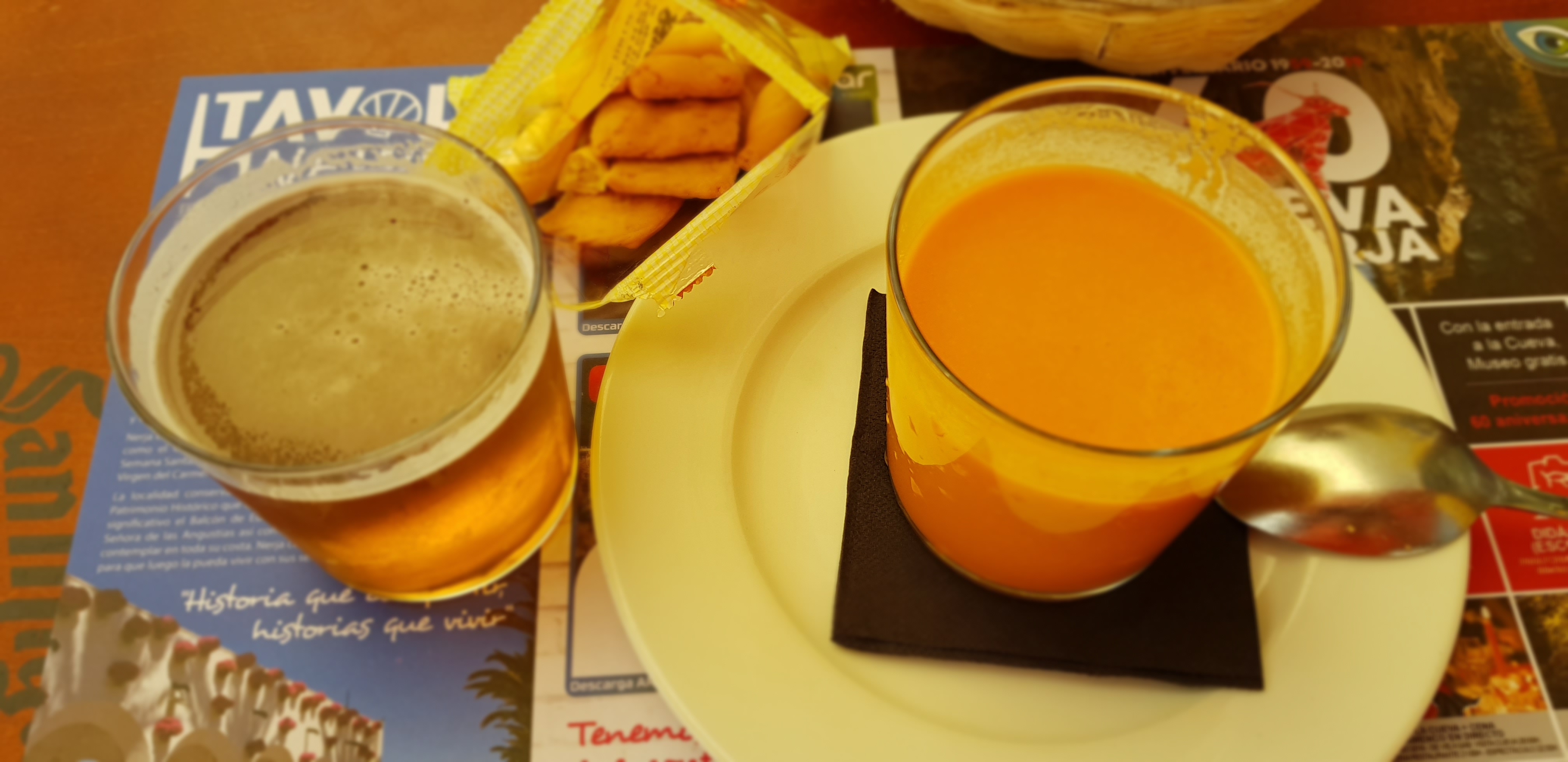
You can choose between a “wine & olive” or a “tapas food tour.” We opted for the most famous Andalusian dish: gazpacho, a cold tomato soup. This Spanish chilled soup originates from Andalusia and was originally eaten by farmers and shepherds in southern Spain to refresh themselves during the summer months. Before the discovery of the Americas, it was made without tomatoes.
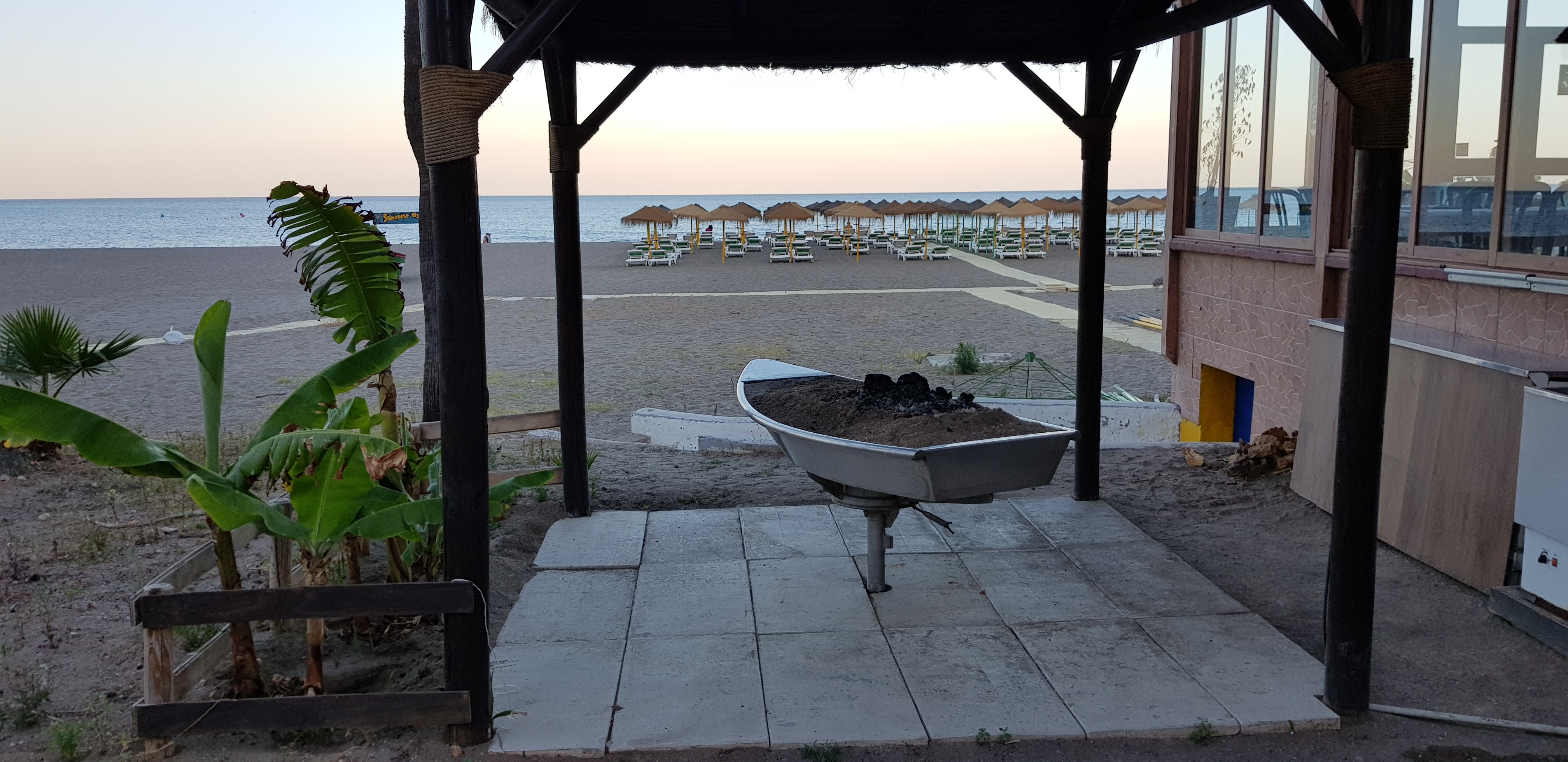
We didn’t visit Málaga’s famous beaches, of which there are no fewer than 15. The best-known one, El Pedregalejo, is a 30-minute walk from the center. Since our hotel was closer to Torremolinos, we decided to take a stroll along the beach in Torremolinos instead of doing an evening tour of Málaga.
Caminito del Rey and El Torcal
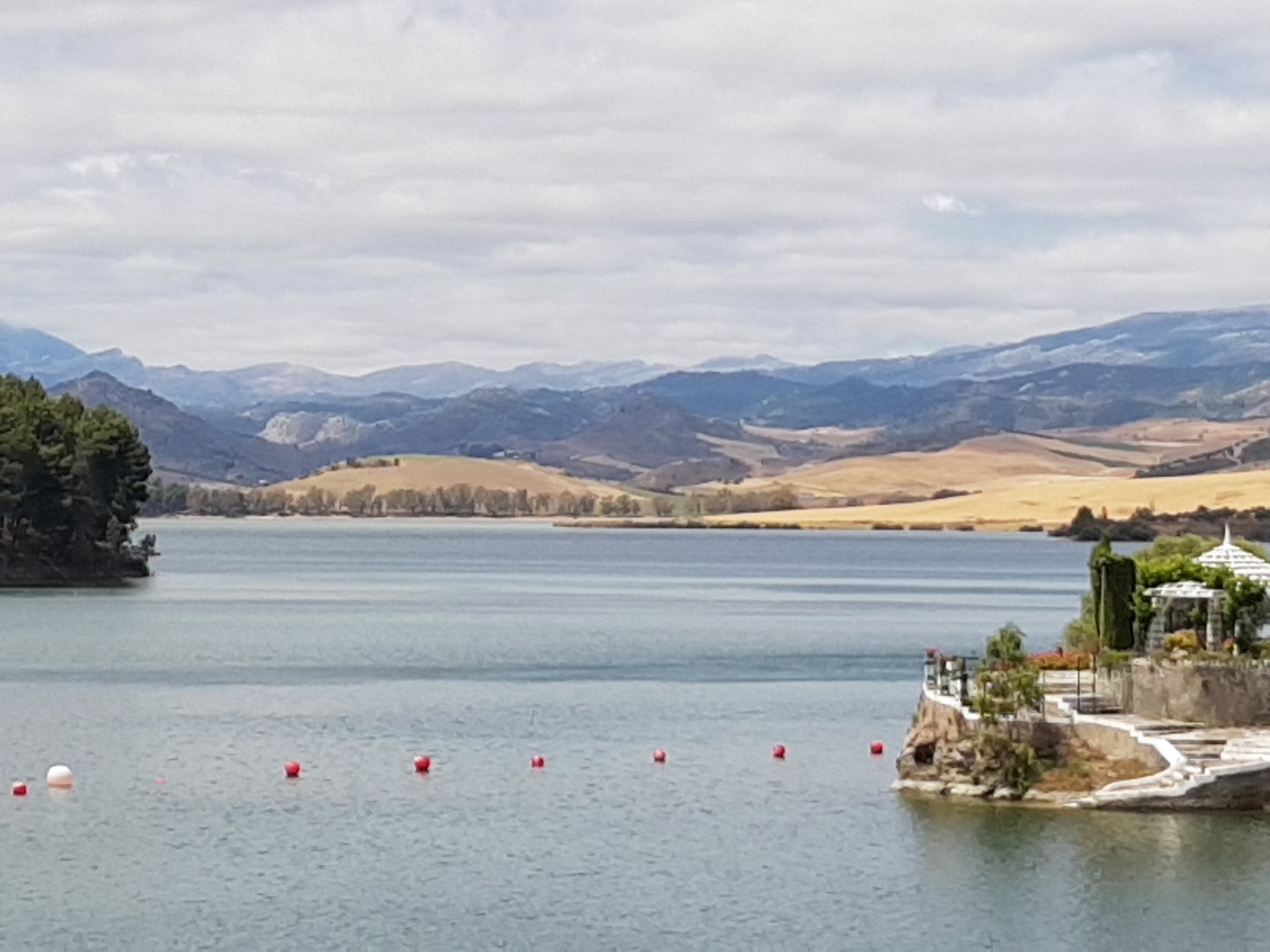
On our way to Antequera, we planned to hike the famous walkways of the Caminito del Rey (“The King’s Little Pathway”), pinned along the steep walls of a gorge that reach up to 700 meters high in some places. Originally built as a walkway for workers at the El Chorro hydroelectric power plant, it got its current name from King Alfonso XIII, who walked the path for the inauguration of the Conde del Guadalhorce dam. Because the ticket office closes early in the morning and we hadn’t bought tickets online in advance, we could only view the old dam and walk along the river up to the entrance of the Caminito del Rey.
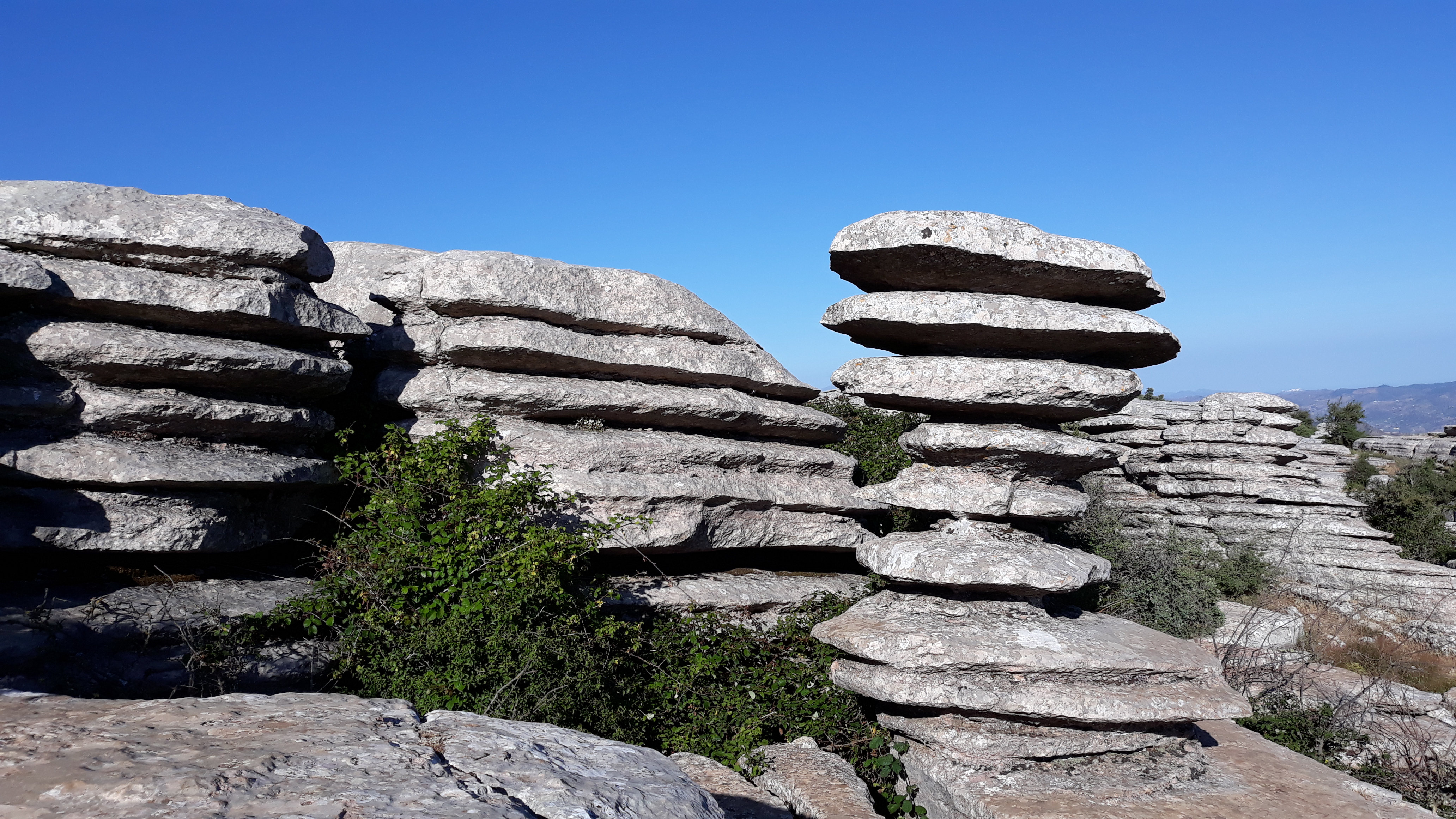
On the bright side, this gave us more time to explore one of the most impressive karst landscapes in Europe: El Torcal de Antequera. El Torcal is a nature reserve in the Sierra del Torcal mountain range and has been designated a UNESCO World Heritage Site. It is located just south of the town of
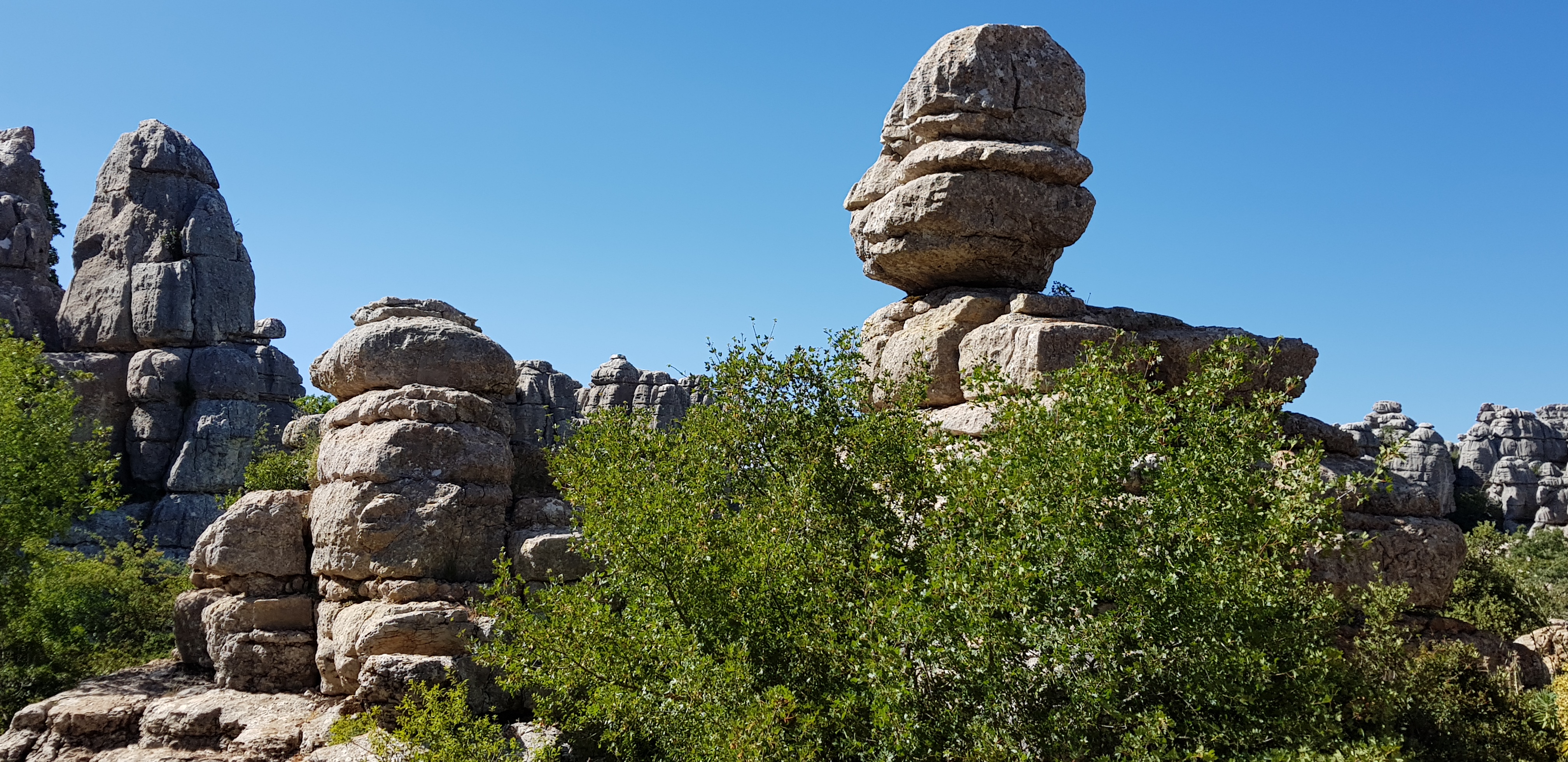
Antequera, in the province of Málaga. El Torcal is renowned for its unusual limestone rock formations and served as a filming location for scenes in the TV series Emerald City.
In the town of Antequera, we stayed overnight at the charming, boutique Hotel Coso Viejo, which translates to “Old Thing.” Accommodation cost €45 per night for the two of us, and parking in a nearby underground garage was €15 with a discount.
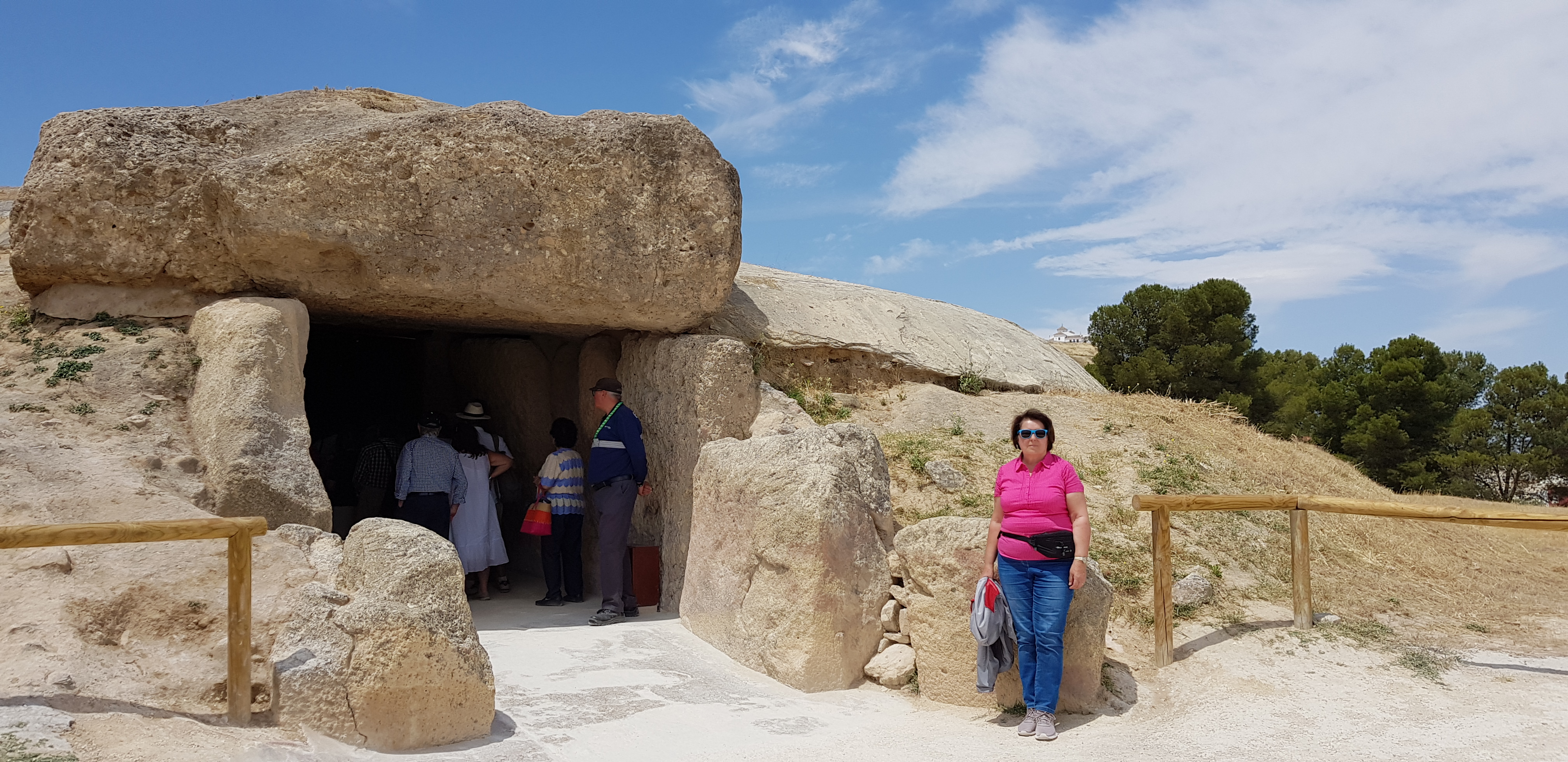
On the road from Antequera to Granada, we also visited the famous megalithic burial mounds, the Dolmens of Antequera: Menga and Viera.
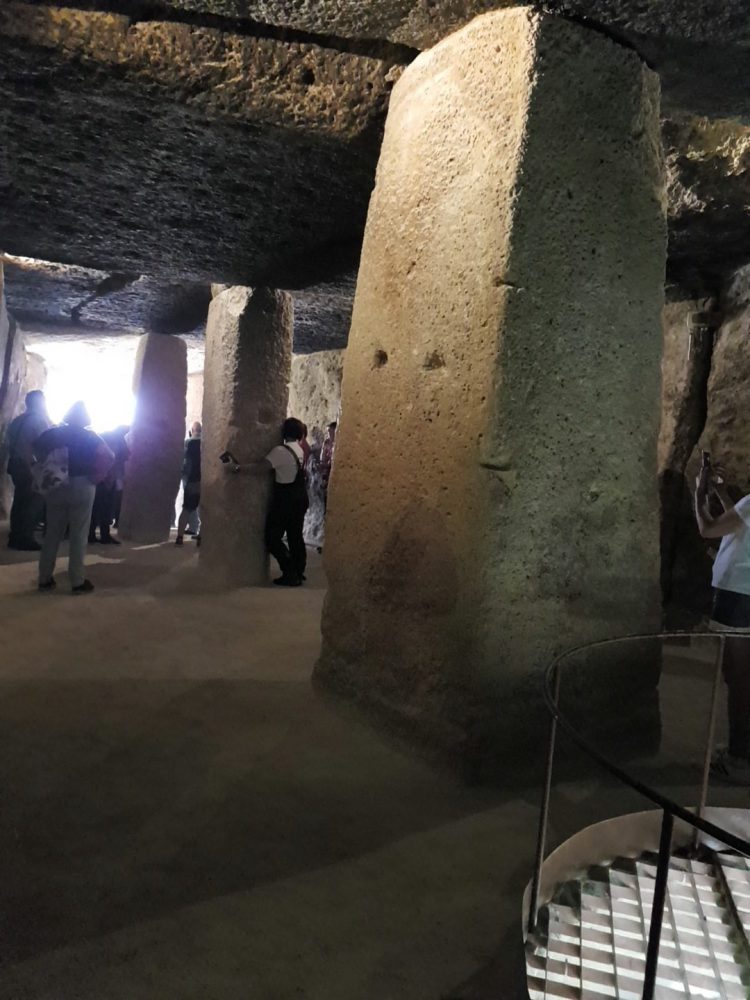
A dolmen is a type of megalithic tomb, usually consisting of several upright standing stones supporting a large flat horizontal capstone. A megalith is a large stone used to construct a structure or monument, either alone or together with other stones.
Admission is free; you just need to pick up a ticket at the reception desk. The largest stone pillar weighs around 100 tons, demonstrating that ancient builders had already mastered the construction of massive structures.
Granada
Granada is the Spanish city most deeply marked by Muslim heritage. The Moors ruled here for 800 years, staying longer than anywhere else in Spain. From this Iberian-Islamic legacy, the Alhambra and the Generalife stand out the most.
We booked the Hotel Macià Real De La Alhambra on the outskirts of the city. As the name suggests, it is close to the Alhambra (3 minutes by taxi). Its great location provides easy access to the road leading toward the Sierra Nevada, and there is a bus stop right next to it for the city center. It’s a great hotel with a swimming pool at a reasonable price of €72/night for 2 people. The underground hotel garage costs €11/day. Hotel breakfast was €11, so we opted instead for toasted bread with olive oil and tomato spread (pan con tomate) at a nearby café.

Our main goal was to visit the Alhambra, the most beautiful and historic landmark in Granada. Without tickets booked online in advance—or waiting in line from the early morning hours until the ticket office opens—visiting can be very expensive or downright impossible. Tickets need to be purchased online several months in advance (priced at €14/person). A month before our arrival, the only tickets we could still buy online (with an audio guide) were for the Generalife and the Alcazaba fortress (excluding the main attraction, the Nasrid Palaces) at €35/person.
When purchasing tickets, you are assigned a specific entry time. We were lucky to get an 8:30 AM slot, when there were no crowds yet and we could take great photos.
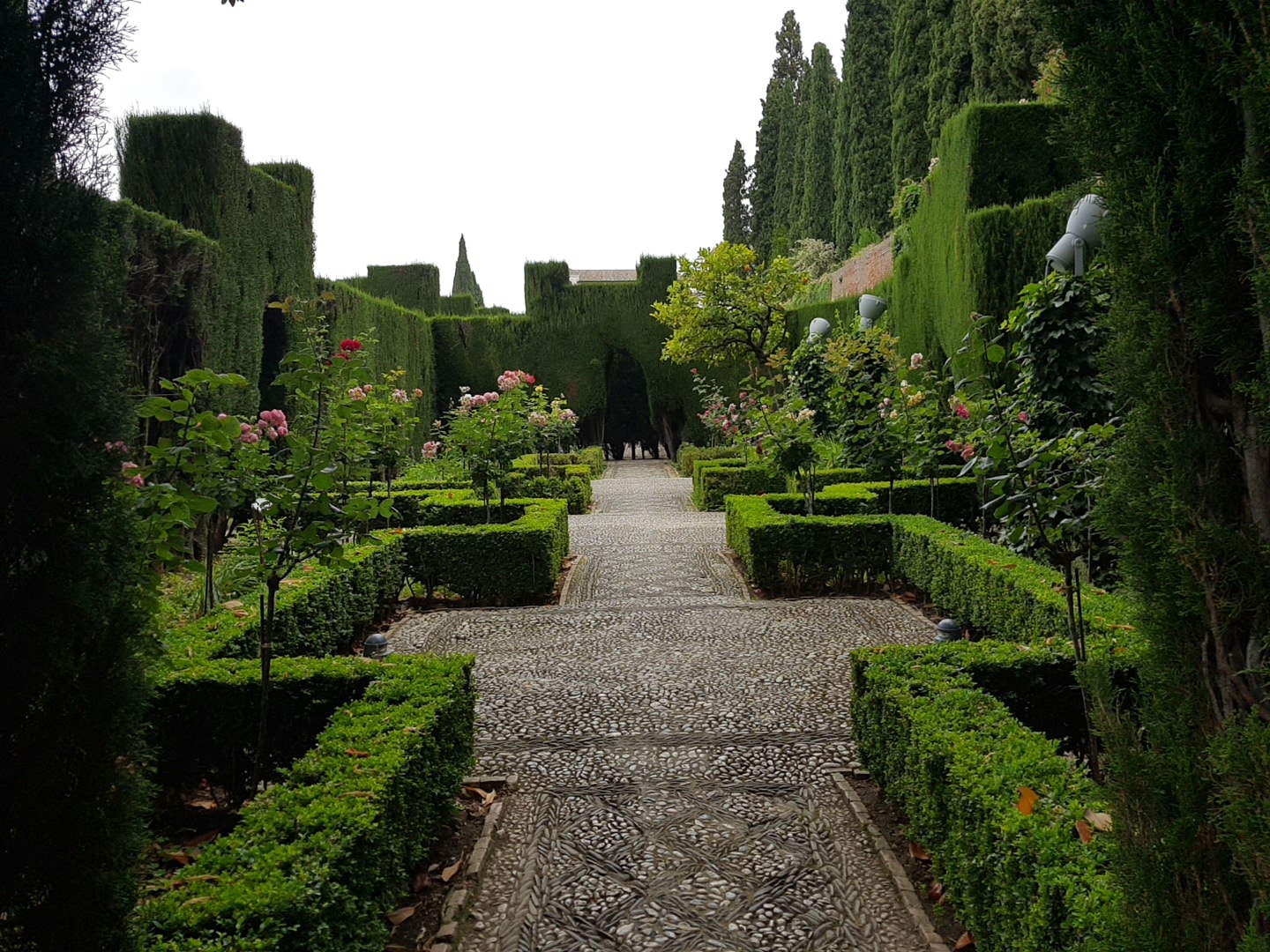
The Generalife was a place of leisure where the Nasrid kings of Granada retreated to escape the official affairs of the palace.
Granada is also a city of music festivals, the first of which was held back in 1952. On Saturday evening, a national ensemble of several dozen musicians performed in front of the cathedral.

Albaicín and Sacromonte are the most iconic and traditional neighborhoods in Granada, offering the best views of the Alhambra. Guided tours are recommended, though we preferred enjoying tapas and strolling through the city center.
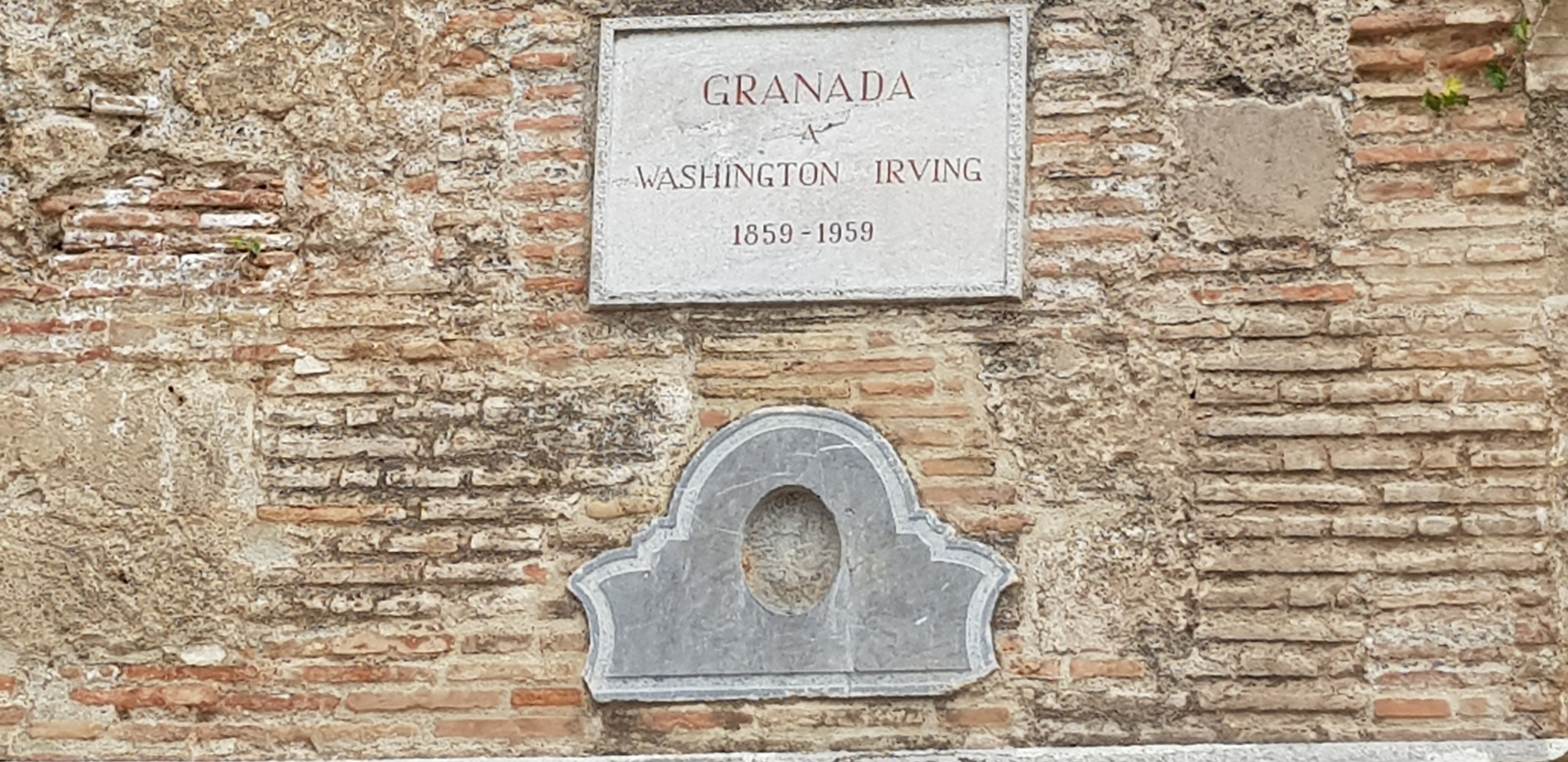
When Washington Irving (the renowned American writer) was appointed U.S. Minister to Spain, he regularly visited Granada. He is credited with introducing the Alhambra’s first guestbook so that visitors and travelers would sign the book instead of carving their names into the palace walls.
Sierra Nevada
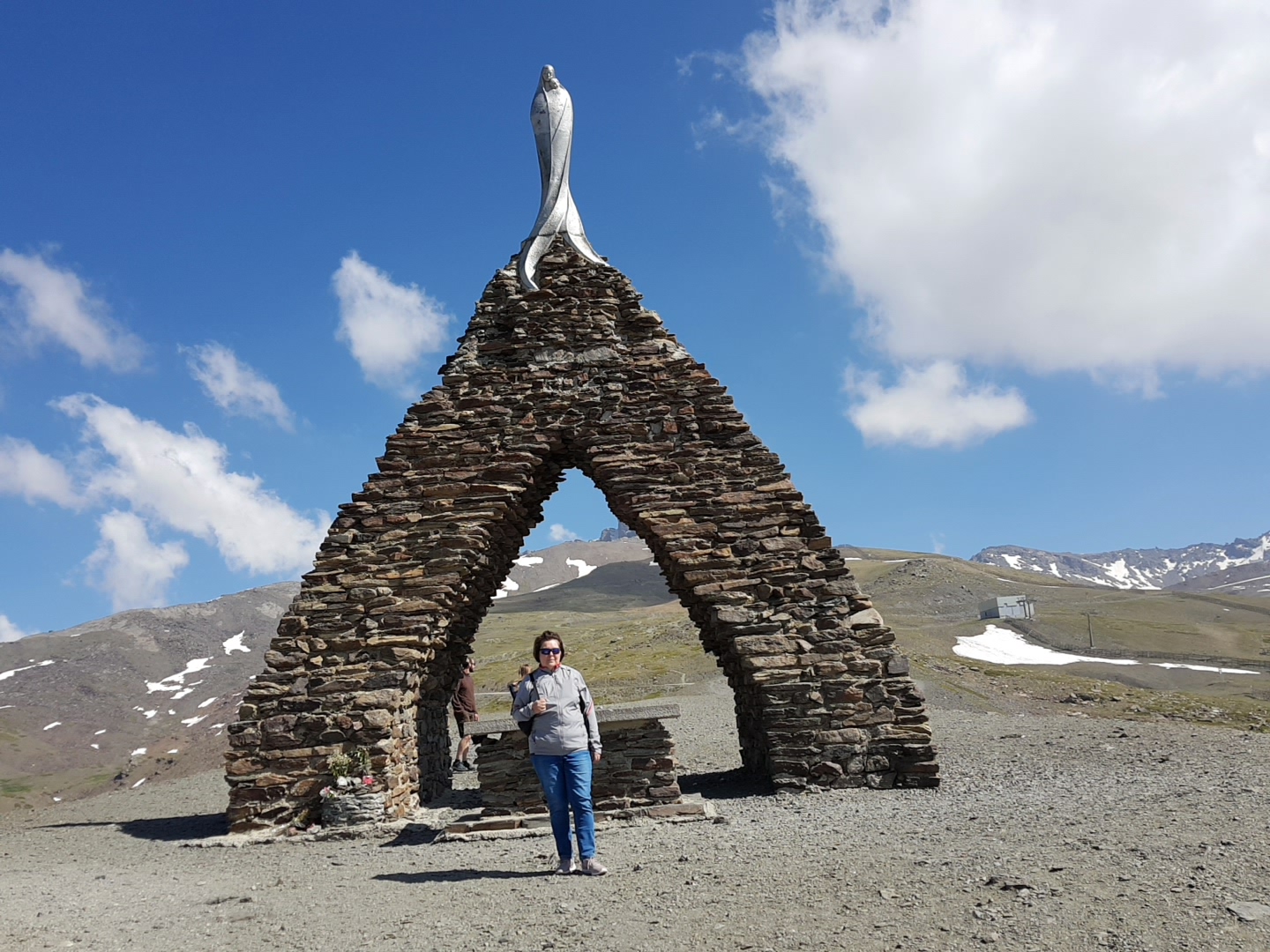
The Sierra Nevada (meaning “snow-covered mountain range”) is a mountain range in the Andalusian provinces of Granada and Almería in Spain. It contains the highest point in continental Spain, Mulhacén, at 3,479 meters (11,414 ft) above sea level.
Continued: Andalusia: Córdoba and Seville